Robinhood Gave AI Agents Access to Stock Trading—With Risk Warnings
Robinhood permitted AI agents to trade stocks. Traders can create a separate account, deposit funds, and allow the agent to buy and sell stocks. The company positions this as automating investment decisions—for example, monitoring sectors or portfolio rebalancing. But Robinhood clearly warns: agentic trading carries significant risk, up to and including total loss of all funds.
AI-processed from The Verge; edited by Hamidun News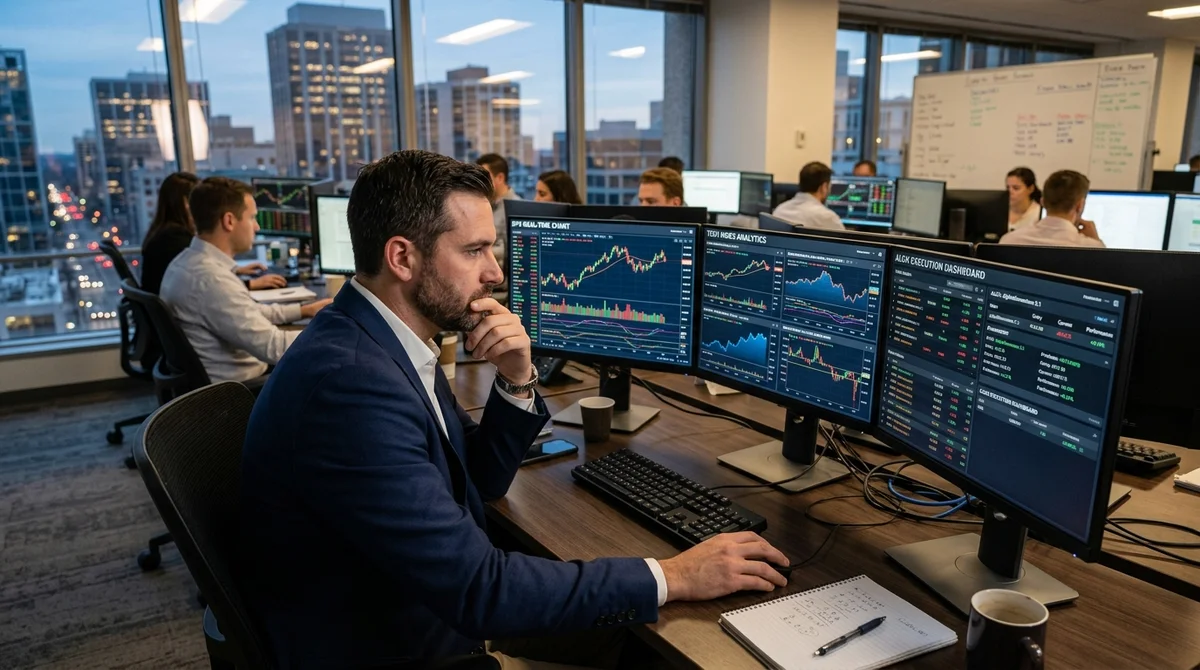
Robinhood opened stock trading for AI agents. Traders can now create a separate account, deposit funds, and allow the agent to independently buy and sell stocks. This is the first major broker to give AI full access to trading with real money without intermediate human oversight.
How It Works
The platform allows traders to launch an AI agent with a selected budget. The agent analyzes the market, recognizes price movement patterns, and makes buy-or-sell decisions in real time. All operations stay within the allocated capital—the agent physically cannot spend more than it was given. It works like a broker with a spending limit.
Setup is simple: you create a separate account, fund it with money, and specify trading strategy parameters (for example, "monitor tech companies" or "rebalance weekly"). After that, the agent can work fully autonomously, without constant oversight. You check results whenever you want.
What It's For
Robinhood positions this feature as a way to scale investment strategies and remove emotion from trading. The company provides several practical use cases:
- Real-time sector monitoring (technology, energy, healthcare) with automatic trading when conditions trigger
- Portfolio rebalancing—the agent monitors target asset allocation and restores it when deviations occur
- Executing long-term investment strategies without daily intervention
- Reducing the emotional factor—the agent doesn't panic at market volatility
Risk of Total Loss
Robinhood doesn't hide the danger. The company posted a clear warning: agentic trading carries "significant risk," including complete loss of all investments. AI-driven strategies may perform poorly unexpectedly during market shocks or if the model makes an error in analysis.
"Agentic trading involves significant risk, including the possible loss of your entire investment.
AI-driven strategies may perform poorly under certain market conditions," Robinhood warns.
The history of algorithmic trading has many examples of automated systems leading to significant losses. So this isn't just fine print.
A Turning Point for AI
AI agents are moving from laboratories into practical investing with ordinary people's money. Robinhood provides a tool for traders who believe in AI capabilities and are willing to take risks. This could become both a powerful way to scale strategies and a source of major losses. For the financial market, this is new territory.
- Oct 28, 2026AdaPRA lifts Qwen 80B by 24.5 points on data science leaderboards
- Oct 28, 2026AOS-Bench: Agents Separated by 0.6 Points in Isolation Deliver 54% and 68% of the Same Tasks
- Oct 28, 2026CuraLoc finds bugs in repositories with a single plan and uses 90% fewer tokens
- Oct 28, 2026Wired Tested 6 AI Agents in a Day: Dots Leads, Gemini Spark Fails at Lunch
Key Questions Answered
How It Works?
The platform allows traders to launch an AI agent with a selected budget. The agent analyzes the market, recognizes price movement patterns, and makes buy-or-sell decisions in real time. All operations stay within the allocated capital—the agent physically cannot spend more than it was given. It works like a broker with a spending limit. Setup is simple: you create a separate account, fund it with money, and specify trading strategy parameters (for example, "monitor tech companies" or "rebalance weekly"). After that, the agent can work fully autonomously, without constant o
What It's For?
Robinhood positions this feature as a way to scale investment strategies and remove emotion from trading. The company provides several practical use cases: Real-time sector monitoring (technology, energy, healthcare) with automatic trading when conditions trigger Portfolio rebalancing—the agent monitors target asset allocation and restores it when deviations occur Executing long-term investment strategies without daily intervention Reducing the emotional factor—the agent doesn't panic at market volatility
What are the key details on Risk of Total Loss?
Robinhood doesn't hide the danger. The company posted a clear warning: agentic trading carries "significant risk," including complete loss of all investments. AI-driven strategies may perform poorly unexpectedly during market shocks or if the model makes an error in analysis. "Agentic trading involves significant risk, including the possible loss of your entire investment. AI-driven strategies may perform poorly under certain market conditions," Robinhood warns. The history of algorithmic trading has many examples of automated systems leading to significant losses. So this
Delegate Deep Research, Coding & Multi-Step Workflows to Nomad Agent
Deploy autonomous task execution with Nomad Agent (agent.nomadnet.ai) — automated web research, data synthesis, code generation, and MCP tool orchestration.
The AI world, distilled — once a week
Seven stories that actually mattered, hand-picked. No noise, no reposts, no press releases.
Done! Check your inbox for a confirmation.