Australia puts companion robots in aged-care homes, sparking a debate over the price of care
Australian aged-care homes are rolling out companion robots to tackle loneliness. But can technology stand in for human attention? Expert Wendy Moyle warns that innovation should complement face-to-face contact, not push it out. Moyle argues that robots can help structure the day and give residents a sense of belonging, but they should never become the main source of interaction. Her conclusion, shared by other experts: technology should improve quality of life, not cut the cost of human labor.
AI-processed from Guardian; edited by Hamidun News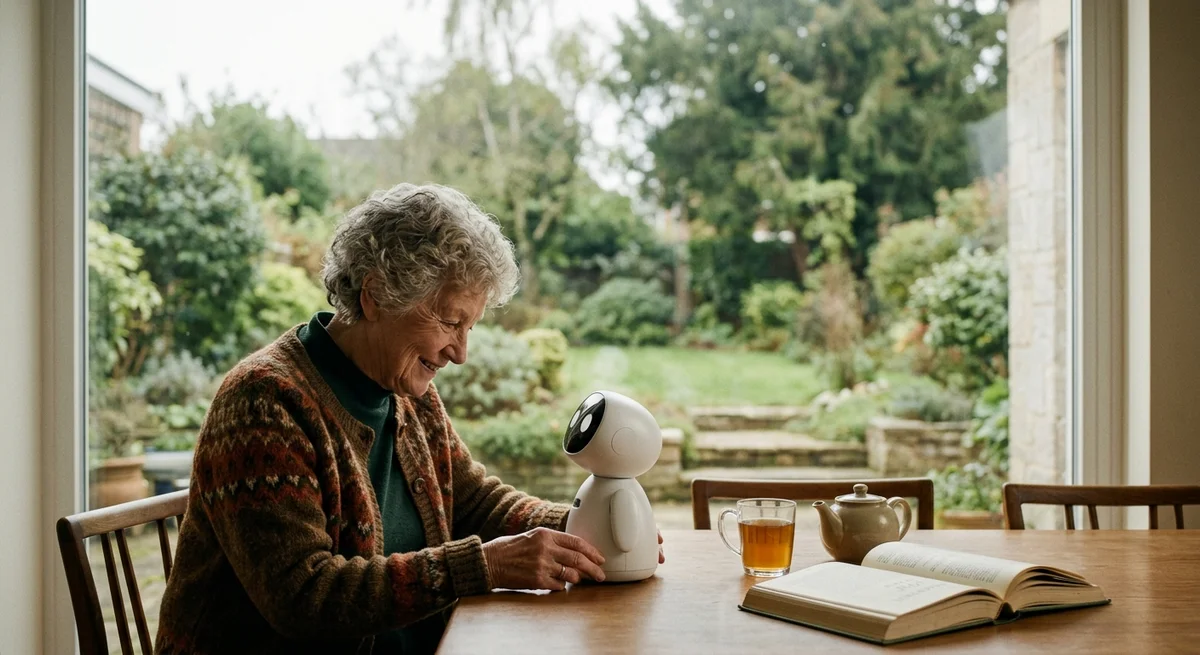
# Technology and loneliness: can robots replace human attention in aged-care homes?
Loneliness in an aged-care home is a hidden crisis that is rarely discussed in public. But with technologies such as companion robots and virtual experiences arriving in Australia's aged-care system, a new question has emerged: can a machine replace a person?
The problem nobody talks about
Australia's ageing population is putting pressure on the healthcare system. Older people often experience chronic loneliness, which affects their physical and mental health as seriously as smoking or alcohol.
Technology as a tool, not a solution
Professor Wendy Moyle, a leading expert in care for older people, stresses an important point: a companion robot can help, but it should not become the main source of interaction.
"These technologies are tools that supplement, not replace," Moyle says.
Robots help structure the day, give a sense of belonging, and can remind residents to take their medication. But what older people really need is real human contact.
How companion robots work
Modern companion robots use artificial intelligence to recognize emotions and respond to them. They can hold conversations, tell stories, remind residents about medication, and even detect signs of stress or depression. Virtual experiences add to this: older people can tour museums, attend a concert, or visit distant relatives through VR.
The human touch remains the gold standard
Despite what the technology can do, research shows that face-to-face contact with carers, volunteers, and family members remains the most effective way to fight loneliness. An effective care system should integrate technology with human contact. A robot can be a helper, but never a replacement.
Conclusions and outlook
In the future, as the world's population ages even faster, technology will play an increasingly important role. But the main takeaway from Moyle and other experts is clear: innovation should serve one goal, improving quality of life, not reducing the cost of human labor.
The aged-care home of the future is not a choice between human and machine. It is a sensible combination of the two, in which technology frees carers for deeper, more meaningful human interaction.
Key Questions Answered
What are the key details on The problem nobody talks about?
Australia's ageing population is putting pressure on the healthcare system. Older people often experience chronic loneliness, which affects their physical and mental health as seriously as smoking or alcohol.
What are the key details on Technology as a tool, not a solution?
Professor Wendy Moyle, a leading expert in care for older people, stresses an important point: a companion robot can help, but it should not become the main source of interaction. "These technologies are tools that supplement, not replace," Moyle says. Robots help structure the day, give a sense of belonging, and can remind residents to take their medication. But what older people really need is real human contact.
How companion robots work?
Modern companion robots use artificial intelligence to recognize emotions and respond to them. They can hold conversations, tell stories, remind residents about medication, and even detect signs of stress or depression. Virtual experiences add to this: older people can tour museums, attend a concert, or visit distant relatives through VR.
Test Frontier LLMs & Autonomous Agents in One Workspace
Run Claude Opus 5.5, GPT-6, Gemini 3.1, and DeepSeek side-by-side in Nomad AI (nomadnet.ai) — unified model routing, deep research, and multimodal workflows under one subscription.
The AI world, distilled — once a week
Seven stories that actually mattered, hand-picked. No noise, no reposts, no press releases.
Done! Check your inbox for a confirmation.