OpenAI brings its models to Oracle Cloud for enterprise customers
OpenAI has integrated its GPT models and Codex into Oracle Cloud. Companies can run them directly in Oracle's cloud under their existing contracts, with no new agreements. Data stays under full customer control and protection. That matters most in finance, healthcare and government, where security is critical.
AI-processed from OpenAI Blog; edited by Hamidun News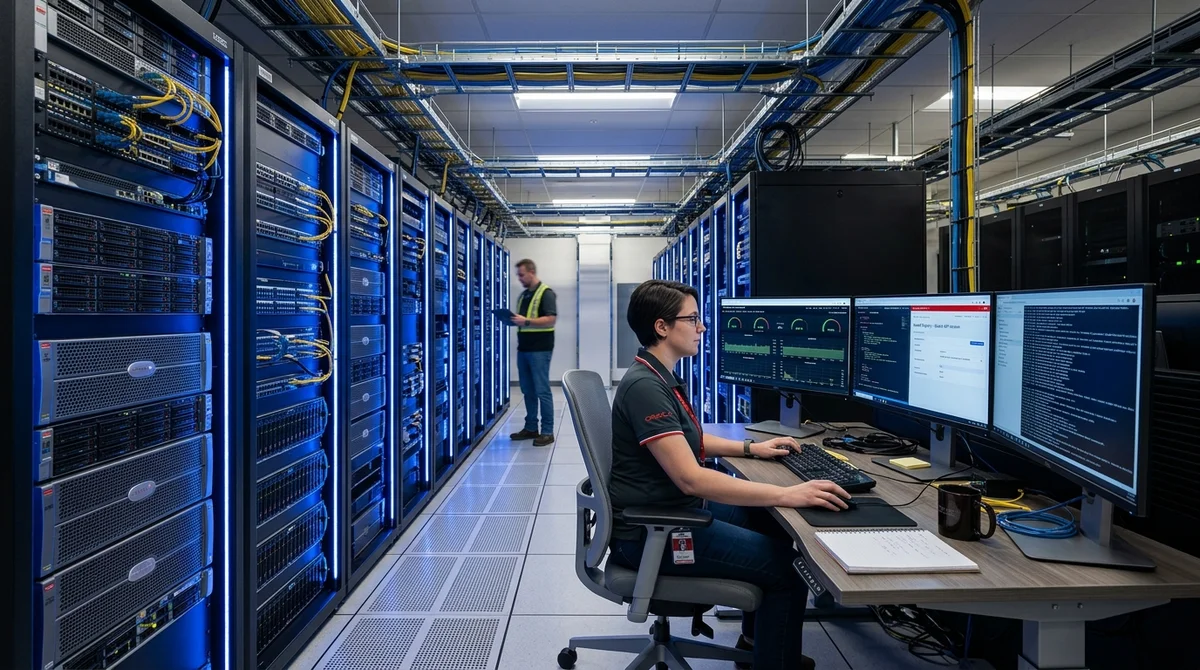
OpenAI has integrated its models and the Codex tool directly into Oracle Cloud. Companies will now be able to deploy AI solutions inside the Oracle cloud infrastructure they already use, and apply contracts they have already signed.
How the integration works
The partnership lets customers use OpenAI models (including the latest GPT versions) through Oracle's cloud platform. Companies can pick the model that fits their performance needs and deploy it in their own Oracle infrastructure, with full access control and security.
The main convenience is that the integration works with existing Oracle contracts. Companies do not create new agreements or sign additional paperwork; they simply extend their current commitments to Oracle. This approach is especially attractive to large organizations that have worked with Oracle for years and have already built the cloud into their processes. That means rolling out new AI tools should take weeks, not months.
The integration supports GPT-4 models and specialized tools such as Codex for code generation. Data stays inside Oracle's infrastructure, which is critical for companies subject to strict regulatory requirements. This removes a common blocker to AI adoption in conservative industries.
Where to use it
The integration is useful for companies that already run on Oracle Cloud and want to add AI capabilities quickly, without switching costs:
- Building applications with GPT for their own users
- Automating business processes with Codex and language-processing models
- Analyzing and processing large volumes of text inside their own infrastructure
- Moving to AI without changing cloud provider
- Meeting regulatory requirements: data does not leave the controlled environment
Companies in finance, healthcare and the public sector are especially interested. They usually have worked with Oracle for years and cannot afford to store data in a competitor's public cloud. For them, the integration is a path to AI without the risk of regulatory fines.
Each side's strategy
For Oracle, it is a way to offer its enterprise customers modern AI without forcing them to migrate to another cloud or pay for costly integration with external services. Oracle's large corporate clients avoid the hassle of switching and get access to top models. Oracle also keeps customers who might otherwise have left for AWS or Google Cloud.
For OpenAI, it widens the channel through which its models are reached and strengthens its position in the enterprise market. Rather than compete with Oracle, OpenAI plugs into its ecosystem. It is a market-capture strategy: make the models available wherever they can be used.
"This gives companies full control over the security and governance of their AI systems,"
Oracle says in its announcement.
Companies no longer have to choose between Oracle Cloud and access to OpenAI's best models. They get both in one environment, without switching costs.
What this means
The cloud market is becoming more integrated. Major infrastructure providers (Oracle, AWS, Azure, Google Cloud) are increasingly offering built-in AI so they do not lose customers to potential competitors.
For companies, that is good news: tool choice widens while switching costs fall. AI will soon be a routine part of the cloud stack, like databases are today. Companies will not choose between the cloud and AI; they will get both by default.
- Nov 1, 2026Local models lose to Opus and Codex: 0.21 on a MacBook versus 1.00 for Codex
- Nov 1, 2026Kimi scores 96.2% on a 1C database analytics test and emerges as a fallback if Claude access is blocked
- Nov 1, 2026OpenAI Rewrites GPT Behavior Rules: Five Values and a Chain of Command
- Nov 1, 2026Google admits AI Mode cuts search revenue, shares fall 15%
Key Questions Answered
How the integration works?
The partnership lets customers use OpenAI models (including the latest GPT versions) through Oracle's cloud platform. Companies can pick the model that fits their performance needs and deploy it in their own Oracle infrastructure, with full access control and security. The main convenience is that the integration works with existing Oracle contracts. Companies do not create new agreements or sign additional paperwork; they simply extend their current commitments to Oracle. This approach is especially attractive to large organizations that have worked with Oracle for years a
Where to use it?
The integration is useful for companies that already run on Oracle Cloud and want to add AI capabilities quickly, without switching costs: Building applications with GPT for their own users Automating business processes with Codex and language-processing models Analyzing and processing large volumes of text inside their own infrastructure Moving to AI without changing cloud provider Meeting regulatory requirements: data does not leave the controlled environment Companies in finance, healthcare and the public sector are especially interested. They usually have worked with Or
What are the key details on Each side's strategy?
For Oracle, it is a way to offer its enterprise customers modern AI without forcing them to migrate to another cloud or pay for costly integration with external services. Oracle's large corporate clients avoid the hassle of switching and get access to top models. Oracle also keeps customers who might otherwise have left for AWS or Google Cloud. For OpenAI, it widens the channel through which its models are reached and strengthens its position in the enterprise market. Rather than compete with Oracle, OpenAI plugs into its ecosystem. It is a market-capture strategy: make the
Build & Ship Production AI Agents Without Boilerplate Code
Start your free 72-hour trial at Hamidun Academy (academy.hamidun.com) — interactive lessons on Claude Code & Cursor, live Tech Radar, and production agent templates.
The AI world, distilled — once a week
Seven stories that actually mattered, hand-picked. No noise, no reposts, no press releases.
Done! Check your inbox for a confirmation.