David Lammy launches AI assistants pilot in British courts
Vice-premier David Lammy will announce an artificial intelligence pilot in England and Wales courts this week. The project aims to reduce the growing judicial backlog, but representatives of the legal community are already warning: the technology should not serve as a pretext for postponing real funding and hiring of new court staff. ## The British judicial crisis English and Welsh courts have accumulated a record number of unresolved cases. Crown courts (main judicial instances) await months for case review. During the pandemic, the queue grew critically, and after it never returned to normal. The traditional solution is to hire more judges, lawyers, court secretaries, and investigators. But there is never enough funding for this. Therefore, the government is seeking a way out through automation of routine work.
AI-processed from Guardian; edited by Hamidun News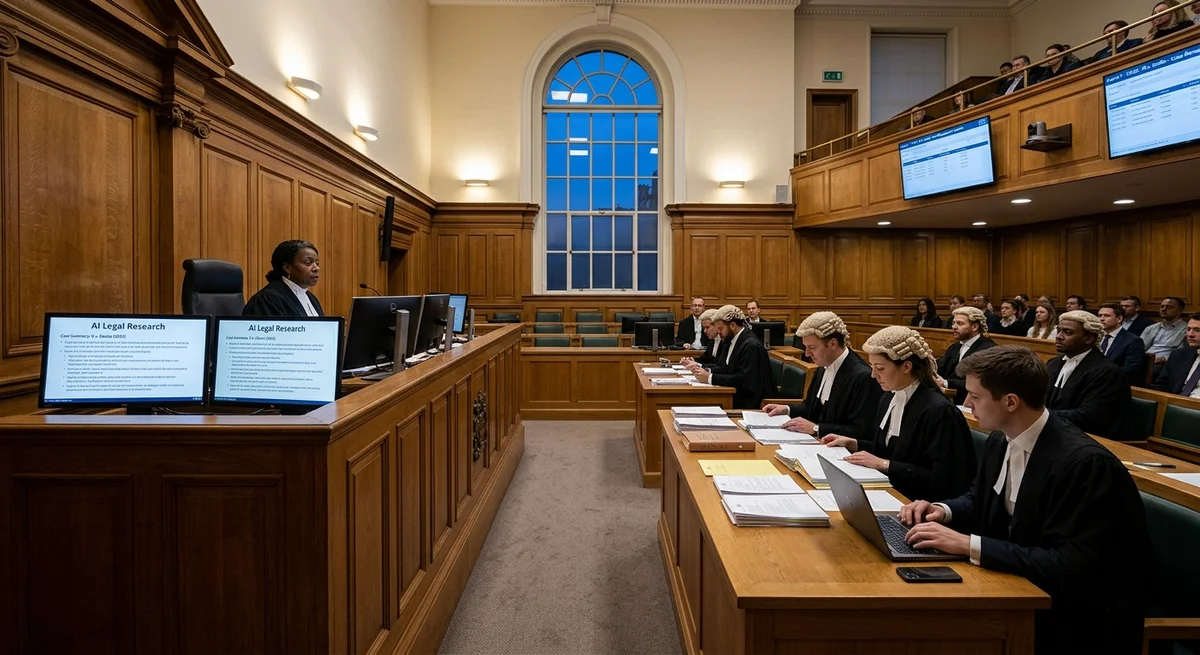
Vice-premier David Lammy will announce an artificial intelligence pilot in England and Wales courts this week. The project aims to reduce the growing judicial backlog, but representatives of the legal community are already warning: the technology should not serve as a pretext for postponing real funding and hiring of new court staff.
The British judicial crisis
English and Welsh courts have accumulated a record number of unresolved cases. Crown courts (main judicial instances) await months for case review. During the pandemic, the queue grew critically, and after it never returned to normal. The traditional solution is to hire more judges, lawyers, court secretaries, and investigators. But there is never enough funding for this. Therefore, the government is seeking a way out through automation of routine work.
What AI assistants will do
The pilot will use virtual AI assistants embedded in the judicial process. The system is expected to handle:
- Tracking the status of case review
- Preparing preliminary documents and case summaries
- Organizing hearing schedules
- Managing administrative procedures
- Accelerating the work of court administrators
Lammy believes that AI will allow courts to work faster without requiring massive staff expansion.
Lawyers against human replacement
However, the bar association and court workers' unions have already voiced criticism. Their main concern: AI assistants may become a pretext for postponing real investment in the judicial system. Instead of hiring new judges and assistants, the government will say that technology solves the problem.
"AI should not replace people and funding.
Courts need both these ingredients together," warn representatives of the legal community. Professionals emphasize: even the most advanced systems cannot handle the full complexity of court proceedings. Live people making decisions are needed, especially when justice is at stake.
Technology as a Band-Aid
This pilot symbolizes a broader trend: states are seeking salvation in technology rather than in system reform. AI can accelerate administrative work, but it cannot replace the need to seriously invest in justice. If the pilot shows results, there may be temptation to consider the problem solved — although in reality it may only worsen.
Key Questions Answered
What are the key details on The British judicial crisis?
English and Welsh courts have accumulated a record number of unresolved cases. Crown courts (main judicial instances) await months for case review. During the pandemic, the queue grew critically, and after it never returned to normal. The traditional solution is to hire more judges, lawyers, court secretaries, and investigators. But there is never enough funding for this. Therefore, the government is seeking a way out through automation of routine work.
What AI assistants will do?
The pilot will use virtual AI assistants embedded in the judicial process. The system is expected to handle: Tracking the status of case review Preparing preliminary documents and case summaries Organizing hearing schedules Managing administrative procedures Accelerating the work of court administrators Lammy believes that AI will allow courts to work faster without requiring massive staff expansion.
What are the key details on Lawyers against human replacement?
However, the bar association and court workers' unions have already voiced criticism. Their main concern: AI assistants may become a pretext for postponing real investment in the judicial system. Instead of hiring new judges and assistants, the government will say that technology solves the problem. "AI should not replace people and funding. Courts need both these ingredients together," warn representatives of the legal community. Professionals emphasize: even the most advanced systems cannot handle the full complexity of court proceedings. Live people making decisions are
Delegate Deep Research, Coding & Multi-Step Workflows to Nomad Agent
Deploy autonomous task execution with Nomad Agent (agent.nomadnet.ai) — automated web research, data synthesis, code generation, and MCP tool orchestration.
The AI world, distilled — once a week
Seven stories that actually mattered, hand-picked. No noise, no reposts, no press releases.
Done! Check your inbox for a confirmation.