USA disabled Fable 5 for India—and gave sovereign AI advocates their strongest argument
On June 12, the US government required Anthropic to disable Fable 5 and Mythos 5 for overseas users. In India, the company's second-largest market, this was seen as an alarming warning: if your AI infrastructure runs on foreign servers—it can be shut down at any moment. The sovereign AI movement gained its strongest argument in the history of the debate.
AI-processed from TNW; edited by Hamidun News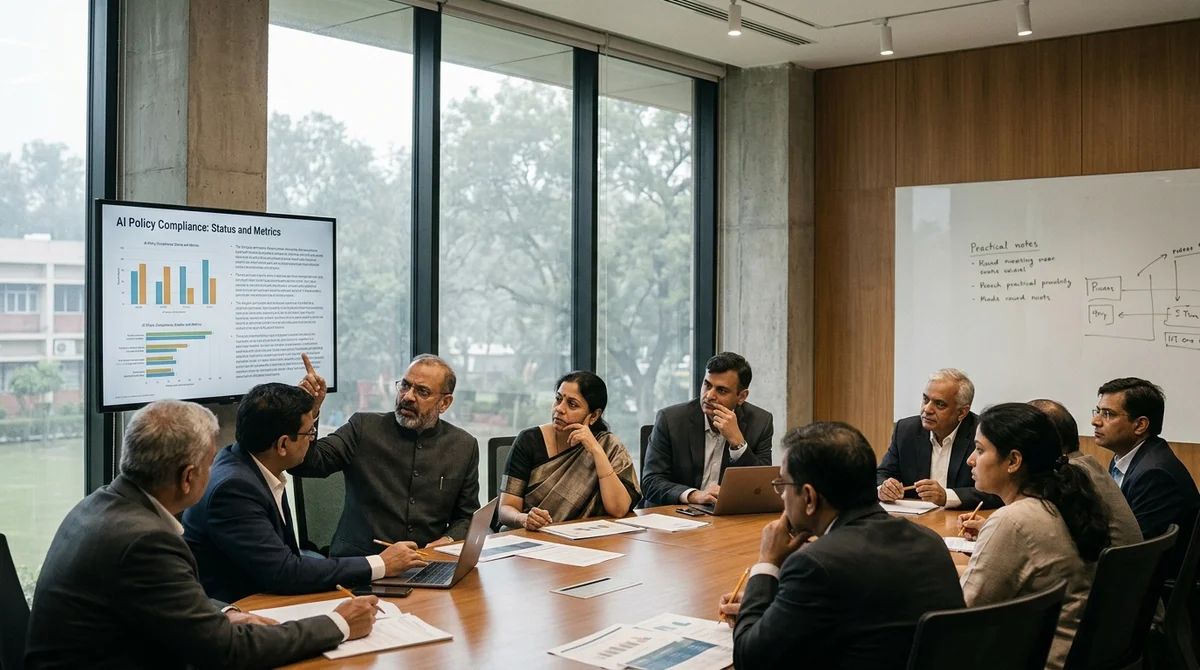
On June 12, the US government issued an export control directive, requiring Anthropic to immediately restrict access to its flagship Fable 5 and Mythos 5 models for users outside the United States. In India — the company's second-largest market — this event instantly became the centerpiece of a years-long debate about sovereign artificial intelligence.
What Happened on June 12
The directive aims to restrict foreign citizens' access to the most powerful American AI models and is formally justified on national security grounds. The US is systematically tightening control over technology exports: software-based AI models now fall under the same mechanisms previously applied only to semiconductors and high-performance computing equipment. For Anthropic, this meant an emergency shutdown of two key products in affected countries. The company did not make an independent decision — it was following a government order. Neither developers who had integrated the API into production systems nor corporate clients received advance notice, compensation, or a transition plan to alternatives.
Why This Is Painful for India
India is not simply one of Anthropic's international markets. It is the company's second-largest market by number of users: local fintech companies, medical platforms, educational services, and IT outsourcing firms have actively integrated Claude into their products and workflows over the past two years. The shutdown of Fable 5 and Mythos 5 exposed a critical vulnerability of this dependency:
- The decision came from outside — without notification, consultation, or consideration of Indian interests
- Users and the services depending on them were cut off within hours
- No transition period or migration plan was provided
- Access restoration is entirely determined by American policy
- Even the status of a major foreign market provided no protection
"When your AI infrastructure runs on someone else's servers, it can be shut down at any moment" — this is how the issue is being discussed in
Indian technology circles.
Sovereign AI: Theory Became Reality
The discussion about "sovereign AI" in India had been ongoing for several years. In a broader context, this movement is not unique: the EU is actively developing its own AI initiatives, China built an isolated tech ecosystem long ago, and Saudi Arabia and the UAE are investing in their own models. India risked finding itself in a situation where AI consumers existed but no domestic producers.
Sovereign AI advocates insisted: the country must build its own language models and computing capacity, not depend on foreign platforms. Government initiatives — the IndiaAI Mission, supercomputing support programs, the local BharatGPT project — existed, but many perceived them as gestures without real commercial value. Opponents countered with familiar arguments: it's expensive, time-consuming, and impractical.
Why spend government resources building models that the world's best teams have already created and offer via API? The June 12 event settled the debate — now sovereign AI advocates have a live, documented precedent.
What It Means
What is happening with India is a stark lesson for any country building its digital economy on foreign AI platforms. US export controls have stopped being a hypothetical scenario — they have become a documented precedent. Governments that postponed AI sovereignty issues as premature or too costly now have a compelling reason to reconsider priorities: the next directive could affect any country, regardless of its importance to American technology companies.
- Oct 28, 2026Wired Tested 6 AI Agents in a Day: Dots Leads, Gemini Spark Fails at Lunch
- Oct 28, 2026Anthropic files for IPO: $16.3 billion in revenue in six months, ticker ANT
- Oct 28, 2026Anthropic reveals how it builds Claude with Claude: the brain separate from the hands
- Oct 28, 2026Anthropic Turns Claude Code Into a Platform: Claude Mods Flip the Agent Harness
Key Questions Answered
What Happened on June 12?
The directive aims to restrict foreign citizens' access to the most powerful American AI models and is formally justified on national security grounds. The US is systematically tightening control over technology exports: software-based AI models now fall under the same mechanisms previously applied only to semiconductors and high-performance computing equipment. For Anthropic, this meant an emergency shutdown of two key products in affected countries. The company did not make an independent decision — it was following a government order. Neither developers who had integrate
Why This Is Painful for India?
India is not simply one of Anthropic's international markets. It is the company's second-largest market by number of users: local fintech companies, medical platforms, educational services, and IT outsourcing firms have actively integrated Claude into their products and workflows over the past two years. The shutdown of Fable 5 and Mythos 5 exposed a critical vulnerability of this dependency: The decision came from outside — without notification, consultation, or consideration of Indian interests Users and the services depending on them were cut off within hours No transiti
What are the key details on Sovereign AI: Theory Became Reality?
The discussion about "sovereign AI" in India had been ongoing for several years. In a broader context, this movement is not unique: the EU is actively developing its own AI initiatives, China built an isolated tech ecosystem long ago, and Saudi Arabia and the UAE are investing in their own models. India risked finding itself in a situation where AI consumers existed but no domestic producers. Sovereign AI advocates insisted: the country must build its own language models and computing capacity, not depend on foreign platforms. Government initiatives — the IndiaAI Mission, s
Ship AI Faster with Founders, Engineers & Weekly Architecture Reviews
Inside Vibe Club (hamidun.com/club) — weekly live masterminds with Zhemal Khamidun, Tech Radar, full LMS access, and 370+ production Claude Code skills.
The AI world, distilled — once a week
Seven stories that actually mattered, hand-picked. No noise, no reposts, no press releases.
Done! Check your inbox for a confirmation.