ChatGPT Is Helping People Write Lawsuits, and British Courts Can't Keep Up
British courts are swamped with work until 2028 because of a flood of claims that citizens are drafting with AI assistants. People who can't afford expensive lawyers are using generative AI, including ChatGPT, Claude and similar tools, to write complaints and court documents themselves. The barrier to filing a claim has dropped sharply, and the courts can't cope with the growing stream of cases.
AI-processed from 3DNews AI; edited by Hamidun News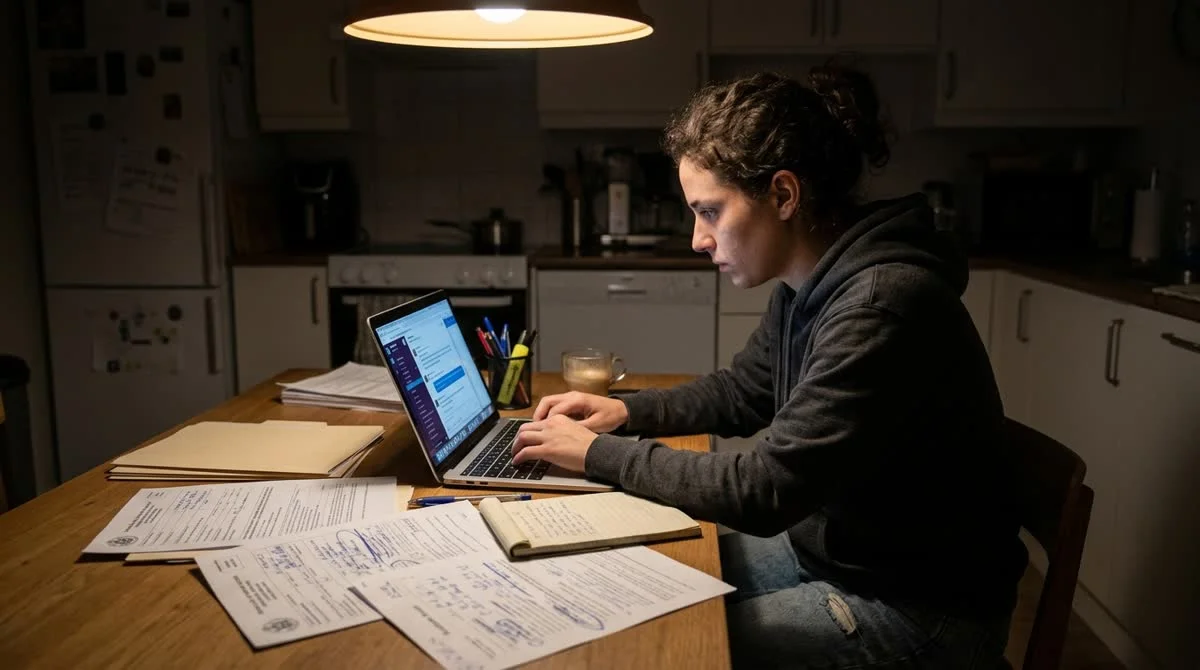
Citizens in Britain are using generative AI assistants such as ChatGPT and Claude en masse to draft their own lawsuits and complaints. As a result, courts are overloaded with cases until 2028.
AI has lowered the barrier to filing a claim
Generative tools such as ChatGPT, Claude and their peers let ordinary people write legally competent complaints and claim forms without a professional. The principle is simple: you describe the situation, state the key facts, and the AI produces a structured document with references to the relevant legal provisions. Just a few years ago, this work required a lawyer or many hours of self-directed study of the law. For an ordinary citizen, the entry threshold was effectively prohibitive.
- UK courts are overloaded with cases until 2028
- The main cause is a sharp rise in the number of claims drafted with AI
- Citizens who previously had no access to legal help now file cases on their own
- The trend has been documented and described by the Financial Times
The barrier to filing a claim has dropped sharply, and the number of people deciding to seek justice through the courts has grown so much that the judicial system was not ready for the volume.
Why the courts can't handle the load
The British court system was already chronically short of resources, but the current crisis is fundamentally different in nature. The democratization of legal tools means that claim documents are increasingly written by people with no professional training, with varying quality and varying merit in the claims they make.
Judges and court staff have run into several new problems at once. First, the workload is growing faster than staff can be added. Second, some incoming documents contain erroneous or nonexistent references to legislation, a result of language-model "hallucinations", which means every case needs extra checking. Third, no Western country yet has precedents for large-scale regulation of AI-drafted court documents.
A queue stretching to 2028 means that citizens who file claims today will wait several years for a hearing. The paradox: AI helped them get into the system, but it has not yet sped up their access to justice.
What this means
Generative AI makes legal help available to millions of people who previously simply could not afford it, which is clear social progress. At the same time, the tool puts systemic strain on public institutions built for a different volume of work. Legal systems now face a hard question: how to adapt to the new tool without restricting access to justice?
The British case is probably the first large-scale, documented example of generative AI directly reshaping the work of a national judicial system. Regulators and judicial authorities in the US, Germany, Australia and other countries are watching: similar overload scenarios may unfold there within the next few years.
Frequently asked questions
Until what year are British courts overloaded?
According to the Financial Times, UK courts are swamped with cases until 2028 because of a sharp rise in the number of claims and complaints that citizens are preparing themselves with AI assistants.
Can AI-drafted court documents contain errors?
Yes. Language models are prone to "hallucinations" and can cite laws or precedents that do not exist. This forces courts to spend extra time checking the references in every case, which slows the whole process further.
How does ChatGPT help people write lawsuits?
Generative tools let users describe their situation and state the key facts, and the AI produces a legally competent document with references to legal provisions.
How do people use ChatGPT for court cases?
Citizens describe the situation to the AI and state the key facts, and ChatGPT produces a structured claim document with references to legal provisions, without a lawyer's help.
- Nov 2, 2026Arca gives AI agents finance tasks lasting up to 10 days, but leaves the trades to humans
- Nov 2, 2026Meta's Muse assistant keeps dossiers on loved ones and gets root on Ubuntu by default
- Nov 1, 2026Local models lose to Opus and Codex: 0.21 on a MacBook versus 1.00 for Codex
- Nov 1, 2026Kimi scores 96.2% on a 1C database analytics test and emerges as a fallback if Claude access is blocked
Key Questions Answered
Until what year are British courts overloaded?
According to the Financial Times, UK courts are swamped with cases until 2028 because of a sharp rise in the number of claims and complaints that citizens are preparing themselves with AI assistants.
Can AI-drafted court documents contain errors?
Yes. Language models are prone to "hallucinations" and can cite laws or precedents that do not exist. This forces courts to spend extra time checking the references in every case, which slows the whole process further.
How does ChatGPT help people write lawsuits?
Generative tools let users describe their situation and state the key facts, and the AI produces a legally competent document with references to legal provisions.
How do people use ChatGPT for court cases?
Citizens describe the situation to the AI and state the key facts, and ChatGPT produces a structured claim document with references to legal provisions, without a lawyer's help.
Test Frontier LLMs & Autonomous Agents in One Workspace
Run Claude Opus 5.5, GPT-6, Gemini 3.1, and DeepSeek side-by-side in Nomad AI (nomadnet.ai) — unified model routing, deep research, and multimodal workflows under one subscription.
The AI world, distilled — once a week
Seven stories that actually mattered, hand-picked. No noise, no reposts, no press releases.
Done! Check your inbox for a confirmation.