Elon Musk's xAI Illegally Generated Power for Its Data Centers
A US regulator has found xAI in violation of the law for using gas turbines to power its Colossus 1 and 2 data centers in Tennessee. The company had argued that it did not need permits for air emissions. The ruling is a win for local activists concerned about pollution.
AI-processed from Guardian; edited by Hamidun News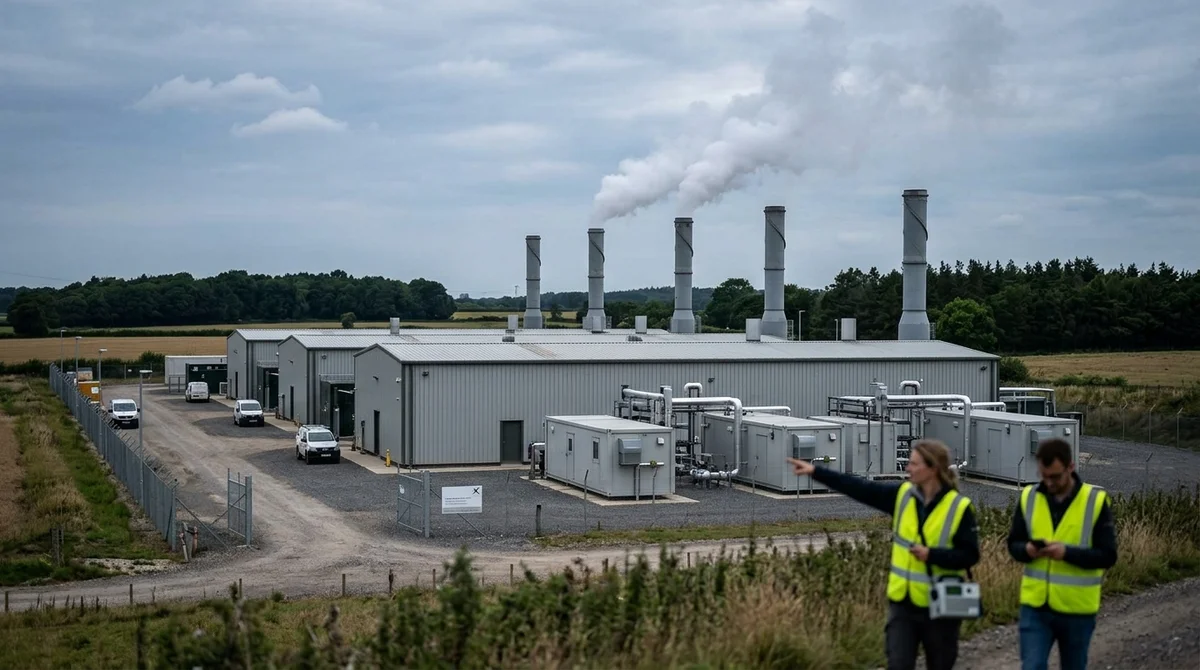
Elon Musk's xAI is at the center of a scandal over the illegal generation of electricity for its data centers in Tennessee. A US regulator has ruled that xAI violated environmental law by using dozens of gas turbines to power its large Colossus 1 and 2 computing complexes.
The story began a year and a half ago, when xAI placed large gas turbines for electricity generation next to its data centers. The company claimed the turbines were not subject to local requirements for air emission permits. Local activists and environmental groups, however, voiced serious concern about the air pollution these units may cause, particularly because the data centers sit in areas that already suffer from elevated pollution levels.
The dispute came down to how the regulations should be interpreted. xAI insisted that its turbines fall under an exemption for equipment intended for backup power. The regulator concluded, however, that the turbines were not used as a backup source but to supply the data centers with electricity on a continuous basis, which requires mandatory emission permits.
The ruling has far-reaching consequences. First, it sets a precedent for regulating data center power supply, especially where alternative energy sources are used. Second, it highlights the importance of weighing environmental factors when building and operating large computing complexes. Third, it is a win for local communities, which increasingly oppose projects with a negative impact on the environment.
For xAI, the decision means rethinking its data center power strategy. The company will have to either obtain the necessary emission permits, which may require significant investment in pollution-control technology, or look for alternative energy sources, such as renewables. Either way, the incident damages the reputation of xAI and Elon Musk, who present themselves as leaders in innovation and sustainability.
In conclusion, the xAI case shows that even the most advanced technology companies must comply with environmental law and take the interests of local communities into account. The development of artificial intelligence should not come at the expense of the environment and people's health. This case should serve as a lesson for the whole industry and as an incentive to develop cleaner, more sustainable power solutions for data centers.
- Nov 1, 202616 models tested on 7 search tools: Exa averaged 10.5 out of 14, SearXNG about 3
- Nov 1, 2026OpenAI Rewrites GPT Behavior Rules: Five Values and a Chain of Command
- Oct 29, 2026Gemini 4 Carbon tops independent rankings, but only cyber defenders can use it
- Oct 29, 2026Study: A Single Random Failure Makes AI Agents Abandon a Working Tool 11.6% of the Time
Test Frontier LLMs & Autonomous Agents in One Workspace
Run Claude Opus 5.5, GPT-6, Gemini 3.1, and DeepSeek side-by-side in Nomad AI (nomadnet.ai) — unified model routing, deep research, and multimodal workflows under one subscription.
The AI world, distilled — once a week
Seven stories that actually mattered, hand-picked. No noise, no reposts, no press releases.
Done! Check your inbox for a confirmation.