Import AI: 2 GW Data Centers and Controlling Superintelligence
The latest issue of the Import AI digest covers the industry's key trends. The main topic is extreme infrastructure scaling: it discusses a 2 GW data center project, which highlights the growing energy appetite of neural networks. On the safety side, it examines methods for "fighting superintelligence" and business concerns about heavy-handed regulation. It also presents OSGym, a new framework from researchers at MIT and Berkeley, designed to teach AI agents to operate a computer fully, beyond the browser. This is an important step for autonomous systems that can work directly with operating systems.
AI-processed from Import AI; edited by Hamidun News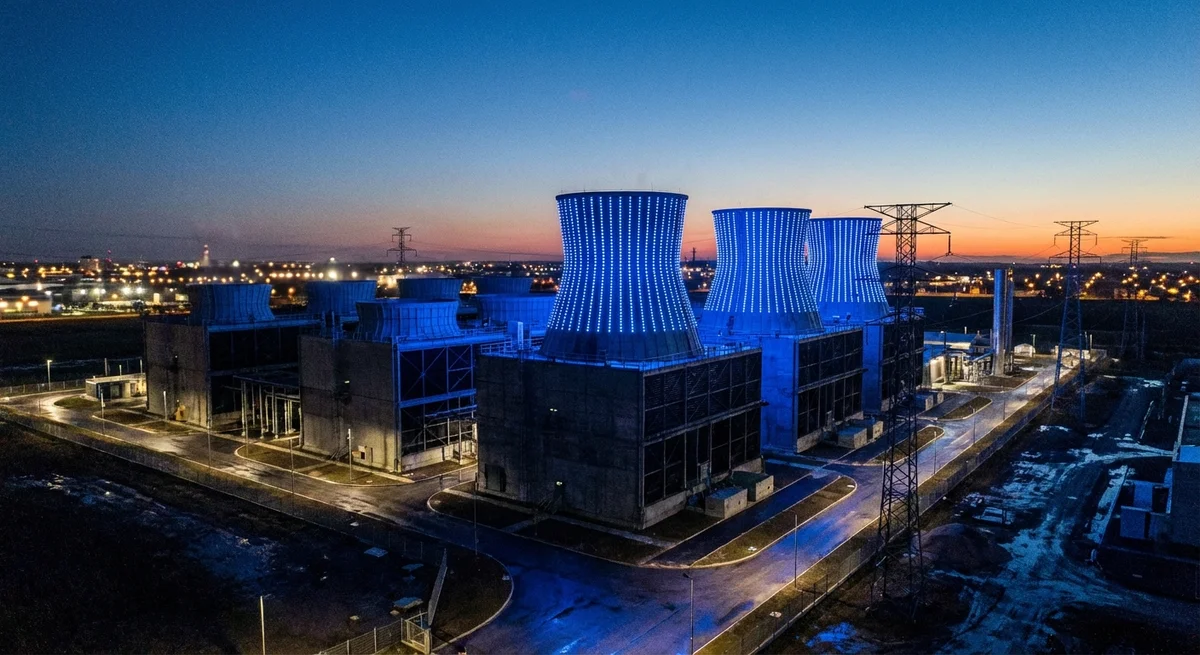
IMPORT AI: 2 GW DATA CENTERS AND CONTROL OVER SUPERINTELLIGENCE
The key trends in the AI industry are coming into sharper focus. The latest issue of the Import AI digest covers two of the most significant directions: unprecedented scaling of computing infrastructure, and safety questions tied to the possible emergence of superintelligent systems. Researchers have also introduced a new tool that could take AI interaction with computers to a qualitatively different level.
Extreme infrastructure scaling is becoming one of the defining traits of the current AI era. Powerful models such as GPT-4 and other generative neural networks require enormous computing resources, and that translates directly into the industry's energy needs. As a vivid example, Import AI cites a project to build a new data center with a capacity of 2 gigawatts (GW).
For comparison, that is on a par with the needs of entire cities or even small countries. Such an appetite for energy reflects not only the growing complexity of AI models but also the ambitions of companies seeking to build and deploy the most advanced solutions. Investment in infrastructure on this scale signals a long-term bet on AI as the locomotive of future technology and the economy.
As computing power grows, questions of safety and control over advancing AI become more pressing. The topic is especially acute in the context of a potential "superintelligence": a hypothetical AI that surpasses human intelligence in all areas. Import AI touches on methods that could be used to "fight" such a superintelligence, although the specifics of those methods remain a matter of scientific debate and speculation. Equally important is how business reacts to tighter government regulation of AI. Entrepreneurs fear that overly strict or poorly thought-out controls could slow innovation, create barriers to development and cost companies competitiveness on the global market. Balancing safety against the promotion of progress is becoming a key task for regulators and the industry.
In autonomous systems, a significant step forward comes with OSGym, a new framework developed by researchers from leading universities, including MIT, UIUC, CMU, USC, UVA and UC Berkeley. OSGym is designed to teach AI agents to operate a computer fully, going beyond familiar browser interfaces. Traditionally, most AI agents are limited to interacting with web pages.
OSGym lets them work directly with the operating system, performing tasks that require deeper understanding of, and interaction with, the computing environment. This opens the door to more versatile and powerful autonomous systems that can handle a wide range of complex tasks, from managing software to analyzing data at the system level. It is an important stage in AI development, bringing us closer to systems capable of true autonomy.
In short, the AI industry is going through a period of rapid growth, marked both by an exponential rise in computing demands and by growing attention to safety and control. New tools such as OSGym show researchers' drive to build more capable and autonomous AI systems. At the same time, the challenges of energy consumption and potential regulation call for balanced decisions to keep the development of this revolutionary technology sustainable and safe.
- Nov 2, 2026Karpathy builds a YouTube clone with 6454 videos from Hacker News recommendations in two hours
- Nov 2, 2026Karpathy used Claude to build HackerTube from 6,454 videos recommended on Hacker News
- Nov 2, 2026Arca gives AI agents finance tasks lasting up to 10 days, but leaves the trades to humans
- Nov 2, 2026DeepSeek open-sources Super-agent prototype: p95 task completion time of 15.7 minutes vs. 29.5
Test Frontier LLMs & Autonomous Agents in One Workspace
Run Claude Opus 5.5, GPT-6, Gemini 3.1, and DeepSeek side-by-side in Nomad AI (nomadnet.ai) — unified model routing, deep research, and multimodal workflows under one subscription.
The AI world, distilled — once a week
Seven stories that actually mattered, hand-picked. No noise, no reposts, no press releases.
Done! Check your inbox for a confirmation.