Gemini Can Now Generate Music From a Text Description
Google has added music generation to its Gemini AI assistant. Users can now create 30-second tracks from text prompts or images, powered by the Lyria 3 model. The integration gives users a quick way to produce unique audio clips for a range of projects.
AI-processed from Google AI Blog; edited by Hamidun News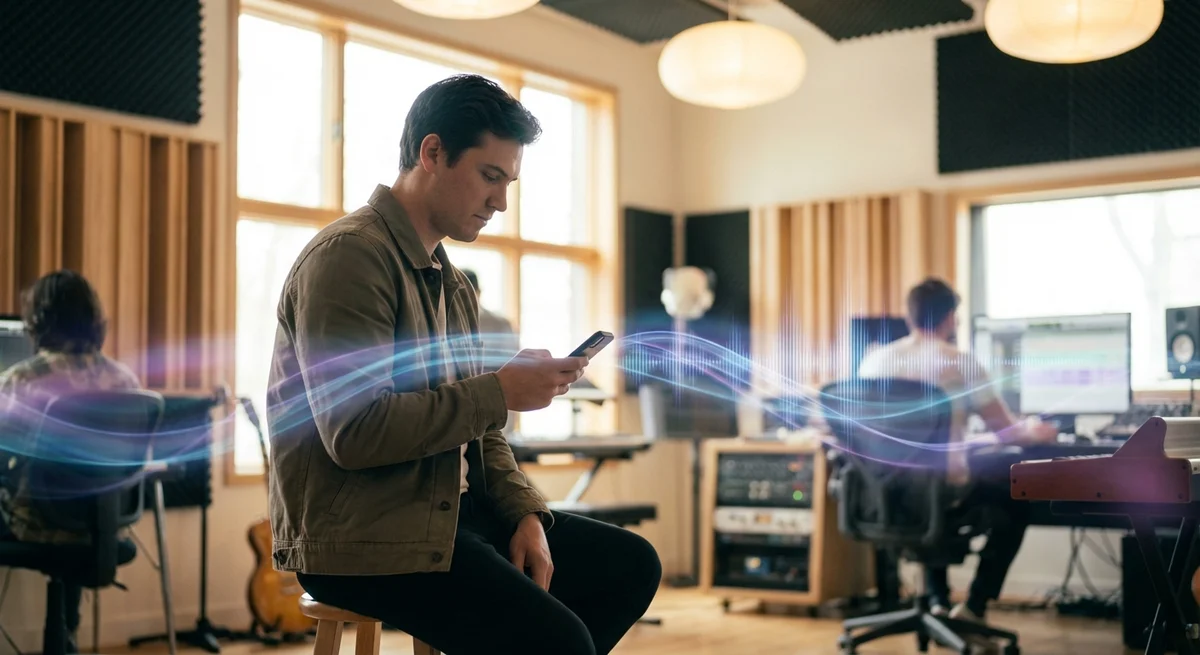
Google has added music generation to Gemini, its flagship AI. Users can now create 30-second music tracks from text prompts or images using the Lyria 3 model. The integration lets them quickly produce unique audio clips for a variety of projects.
Context: The evolution of creative AI
The past few years have seen rapid progress in generative AI models. They started with text and images, and are gradually moving into new areas, including audio and music. Google, one of the leaders in AI, is investing heavily in multimodal models that can process and generate information in different formats. Gemini, one of the company's most advanced products, can now not only understand and create text or images but also compose music. The integration of Lyria 3, a model built specifically for high-quality audio generation, is an important step in that direction.
Deep dive: How does it work?
Gemini's new feature lets users turn their ideas into music tracks. The process starts with a text description of the desired piece. It can be almost anything: a mood ("a sad melody for a rainy day"), a genre preference ("an energetic 80s-style rock riff"), or even specific instruments ("a piano ballad with light string accompaniment"). Gemini can also generate music from images, interpreting visual information and turning it into soundscapes. Lyria 3, the model behind the feature, was trained on a large body of music data, which lets it produce varied, high-quality pieces. The resulting tracks run up to 30 seconds, which makes them suitable for background music, jingles, sound effects, or inspiration for further creative work.
Implications: New opportunities for creativity and business
Having this feature in Gemini has far-reaching consequences. For musicians and producers, it may become a powerful tool for quickly prototyping ideas, finding new sounds, or creating unique arrangements. Bloggers, content creators and game developers will be able to easily generate original background music for their projects, avoiding copyright problems and high licensing costs. Even casual users will be able to experiment with music and bring their creative ideas to life without needing special skills. This democratizes music creation and makes it accessible to a wider audience. The technology may also find uses in education, helping students study musical genres and structures.
Conclusion: The music of the future is already here
Music generation in Gemini is not just another update but evidence of the growing power and versatility of AI. By turning text descriptions and images into full musical fragments, Google opens a new era in creative expression. AI's ability to understand and reproduce complex aspects of human creativity, such as music, highlights its potential as a partner to people in many fields. This is only the beginning, and AI tools can be expected to become more sophisticated, offering unprecedented possibilities for creating and interacting with art.
- Nov 2, 2026Karpathy builds a YouTube clone with 6454 videos from Hacker News recommendations in two hours
- Nov 2, 2026Karpathy used Claude to build HackerTube from 6,454 videos recommended on Hacker News
- Nov 2, 2026Anthropic needs to grow revenue 32% a year to cover $850 billion in contracts
- Nov 2, 2026Bun creator uses Claude Code to port 750K lines from Zig to Rust in 11 days
Test Frontier LLMs & Autonomous Agents in One Workspace
Run Claude Opus 5.5, GPT-6, Gemini 3.1, and DeepSeek side-by-side in Nomad AI (nomadnet.ai) — unified model routing, deep research, and multimodal workflows under one subscription.
The AI world, distilled — once a week
Seven stories that actually mattered, hand-picked. No noise, no reposts, no press releases.
Done! Check your inbox for a confirmation.