The "AI Is Inevitable" Trap: Have We Hit Peak AI Hype?
Sneaker maker Allbirds declared itself an AI company and, for a short time, saw its market capitalization grow sevenfold. Against that backdrop, The Vergecast podcast asks whether we have already reached peak AI hype. A Stanford study says the technology keeps improving, but something in the air has clearly changed. The two stories coexist: AI is getting better, and the hype around it increasingly resembles a bubble.
AI-processed from The Verge; edited by Hamidun News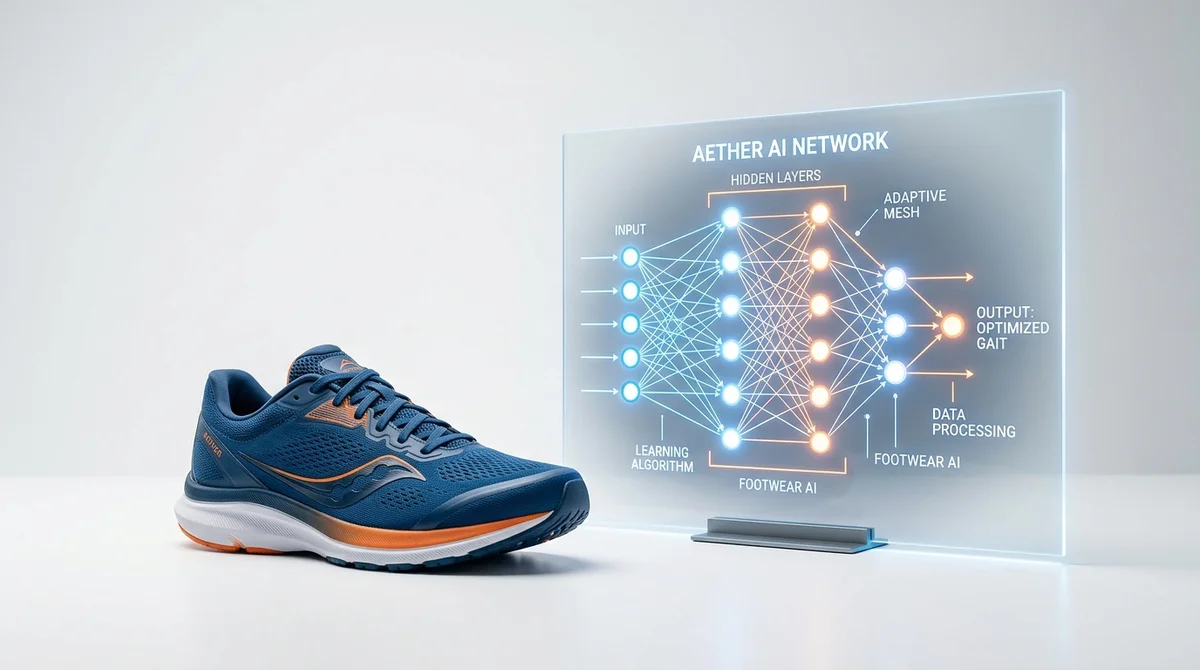
Shoemaker Allbirds declared itself an AI company and its market capitalization rose almost sevenfold in a day. This is not a joke, and stories like this suggest we may have reached the peak of the AI season, if not the peak of the whole wave.
The Allbirds episode, in which the company renamed itself Newbird AI, was the starting point for a long discussion in the latest episode of The Vergecast podcast. Journalists David Pierce and Nilay Patel set out to work out what is happening right now: a real technological shift, or an inflating bubble? They tried to weigh the hard data against the general vibes around the industry.
On one side is the Stanford AI Index 2026, a major annual study from Stanford University. The report's authors find that AI keeps improving across a broad range of tasks, from coding and medical diagnostics to image generation and language work. On key benchmarks progress has not stopped, and in some areas it is accelerating. This is not hype; these are measurable results.
On the other side is the story of a sneaker company that simply added the words "AI" to its name and got a stock market frenzy. This is a classic case of "AI washing": a real business hides behind a fashionable label to attract investors. A sevenfold jump in value in a single day, with no technological change behind it, is a worrying signal about the state of the market.
The two phenomena exist at the same time and do not contradict each other. AI really is getting better. And the AI hype really has turned into something that resembles the early stage of the dot-com bubble, with the difference that there is a real technology underneath. The question is how closely market valuations match real value.
The podcast also touches on a broader trap: the "AI is inevitable" narrative. When a technology is declared inevitable, any criticism is treated as Luddism and any concern as fear of progress. That is a convenient position for those who profit from it, but a dangerous one for those making regulatory or investment decisions.
What all this means in practice: a shoemaker changing its name to an AI company, and it working, is not a sign of the technology's strength. It is a sign that the market has temporarily switched off critical thinking. The Stanford index is a reminder that progress is real. But real progress does not mean that every company with "AI" in its name is worth its valuation.
- Nov 2, 2026Bun creator uses Claude Code to port 750K lines from Zig to Rust in 11 days
- Nov 2, 2026mcp-linter finds 18 undescribed parameters in Anthropic's filesystem server
- Nov 2, 2026The Verge reviewer builds a $50 Meta Muse Charm alternative with Claude Code
- Nov 2, 20268 Skills for video in Claude Code: from 244 pixel effects to rough-cut editing
Test Frontier LLMs & Autonomous Agents in One Workspace
Run Claude Opus 5.5, GPT-6, Gemini 3.1, and DeepSeek side-by-side in Nomad AI (nomadnet.ai) — unified model routing, deep research, and multimodal workflows under one subscription.
The AI world, distilled — once a week
Seven stories that actually mattered, hand-picked. No noise, no reposts, no press releases.
Done! Check your inbox for a confirmation.