AI Data Centers at the Heart of the Energy Crisis: From Anthropic's Pledges to Protests in Oregon
AI data centers have become the defining energy issue of the era. Seven of the largest tech companies signed Trump's pledge not to raise utility rates, and Anthropic and OpenAI promised to pay for their own energy. Meanwhile, communities in Oregon are linking data centers to rising cancer rates, New York is preparing restrictive legislation, and Elon Musk proposes building data centers in space.
AI-processed from The Verge; edited by Hamidun News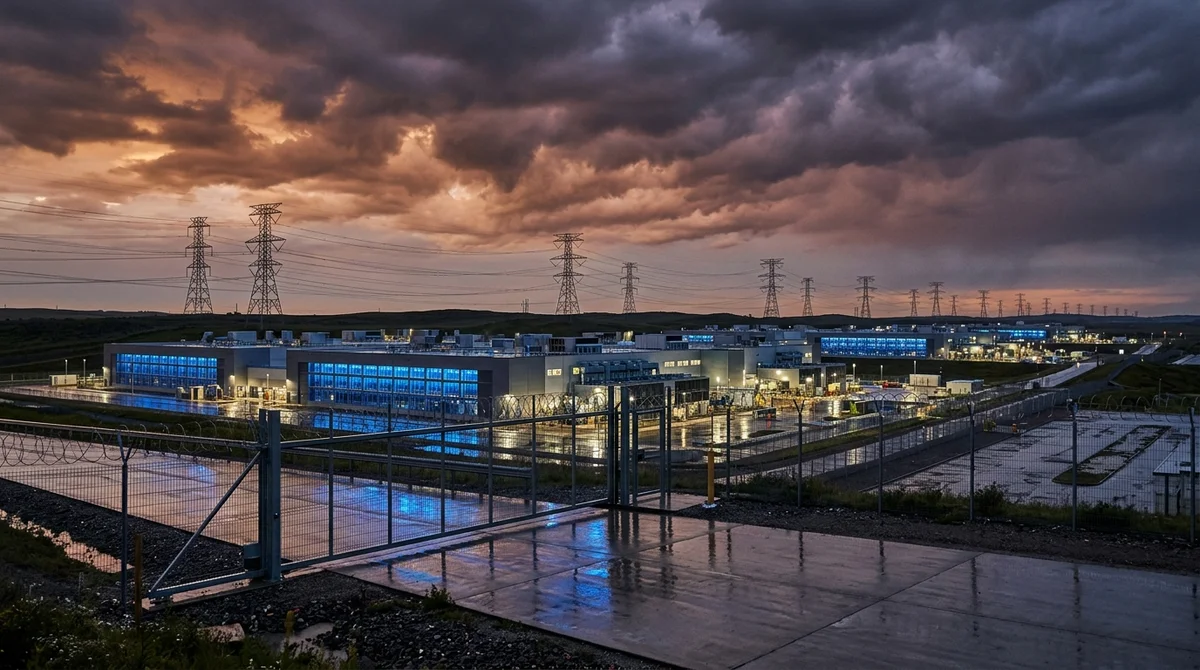
Data centers have become a new front in a global standoff. To win the right to build gigantic computing clusters, tech companies are paying not only in money but also in political capital, reputation, and the health of people living next door. While billions of dollars flow into expanding AI infrastructure, legal battles, political debates, and local protests are unfolding around the world.
The political front
Seven of the largest tech companies, including Google, Meta* and Microsoft, have signed White House pledges not to let utility rates rise because of data center construction. President Trump said the companies will soon strike direct deals to pay for their own power sources. Anthropic and OpenAI did not wait: both companies have publicly announced that their facilities will cover their own electricity costs and limit water consumption.
In parallel, US senators sent requests to energy agencies demanding the official disclosure of data on how much electricity data centers actually consume. That information remains almost entirely unregulated.
Engineering solutions
Microsoft is studying the possibility of moving data centers to superconducting cables, which would both shrink their footprint and cut energy losses. At the other end of the technology spectrum, Elon Musk announced a merger of SpaceX and xAI to build orbital data centers. Skeptics doubt the idea is feasible, but the fact that it is being discussed shows how scarce ground-based sites have become.
A more pragmatic solution is already in use: natural gas consumption by data centers hit record levels in 2025, and Google has openly included gas in its energy strategy. Instability in the Middle East and the escalation of the Iran conflict add further uncertainty. Experts warn that rising oil and gas prices will directly affect data center operating costs.
The public front
Local communities are becoming a serious political force. Residents of Oregon link rising cancer rates and miscarriages to the concentration of large data centers in the region. Several communities have already secured moratoriums on new facilities. New York is weighing two bills aimed squarely at curbing the growth of the AI industry. The NAACP has published guidelines for tech companies, demanding that they take local communities' interests into account when choosing sites.
Meta* found itself at the center of several crises at once. A winter storm tested the power grid in the region of its largest facility under construction and raised uncomfortable questions about infrastructure reliability. The company responded with a large-scale PR campaign meant to convince the public that data centers do more good than harm. Judging by the reaction of regulators and residents, the task has proved harder than expected.
The bottom line is bleak
Data center water and electricity consumption rose sharply in 2025 compared with previous years. Power grids built for the loads of the previous decade cannot keep up with the pace of AI industry growth. The question is no longer whether AI creates systemic risks for the energy sector. It does. The question is who will foot the bill: the companies themselves, ordinary consumers, or future generations who will inherit the burden on infrastructure and the climate.
*Meta has been designated an extremist organization and banned in Russia.
- Nov 2, 2026Bun creator uses Claude Code to port 750K lines from Zig to Rust in 11 days
- Nov 2, 2026mcp-linter finds 18 undescribed parameters in Anthropic's filesystem server
- Nov 2, 2026The Verge reviewer builds a $50 Meta Muse Charm alternative with Claude Code
- Nov 2, 20268 Skills for video in Claude Code: from 244 pixel effects to rough-cut editing
Key Questions Answered
What are the key details on The political front?
Seven of the largest tech companies, including Google, Meta and Microsoft, have signed White House pledges not to let utility rates rise because of data center construction. President Trump said the companies will soon strike direct deals to pay for their own power sources. Anthropic and OpenAI did not wait: both companies have publicly announced that their facilities will cover their own electricity costs and limit water consumption. In parallel, US senators sent requests to energy agencies demanding the official disclosure of data on how much electricity data centers actu
What are the key details on Engineering solutions?
Microsoft is studying the possibility of moving data centers to superconducting cables, which would both shrink their footprint and cut energy losses. At the other end of the technology spectrum, Elon Musk announced a merger of SpaceX and xAI to build orbital data centers. Skeptics doubt the idea is feasible, but the fact that it is being discussed shows how scarce ground-based sites have become. A more pragmatic solution is already in use: natural gas consumption by data centers hit record levels in 2025, and Google has openly included gas in its energy strategy. Instabili
What are the key details on The public front?
Local communities are becoming a serious political force. Residents of Oregon link rising cancer rates and miscarriages to the concentration of large data centers in the region. Several communities have already secured moratoriums on new facilities. New York is weighing two bills aimed squarely at curbing the growth of the AI industry. The NAACP has published guidelines for tech companies, demanding that they take local communities' interests into account when choosing sites. Meta found itself at the center of several crises at once. A winter storm tested the power grid in
Test Frontier LLMs & Autonomous Agents in One Workspace
Run Claude Opus 5.5, GPT-6, Gemini 3.1, and DeepSeek side-by-side in Nomad AI (nomadnet.ai) — unified model routing, deep research, and multimodal workflows under one subscription.
The AI world, distilled — once a week
Seven stories that actually mattered, hand-picked. No noise, no reposts, no press releases.
Done! Check your inbox for a confirmation.