Meta is preparing the third generation of Ray-Ban smart glasses — FCC has registered two new devices
Meta and EssilorLuxottica have filed applications with the U.S. regulator FCC for two new devices in the Ray-Ban smart glasses lineup with AI. The documents describe the gadgets as mass-production units rather than prototypes. When the second generation launched in 2023, similar filings appeared about a month before the announcement. It looks like history is repeating itself.
AI-processed from The Verge; edited by Hamidun News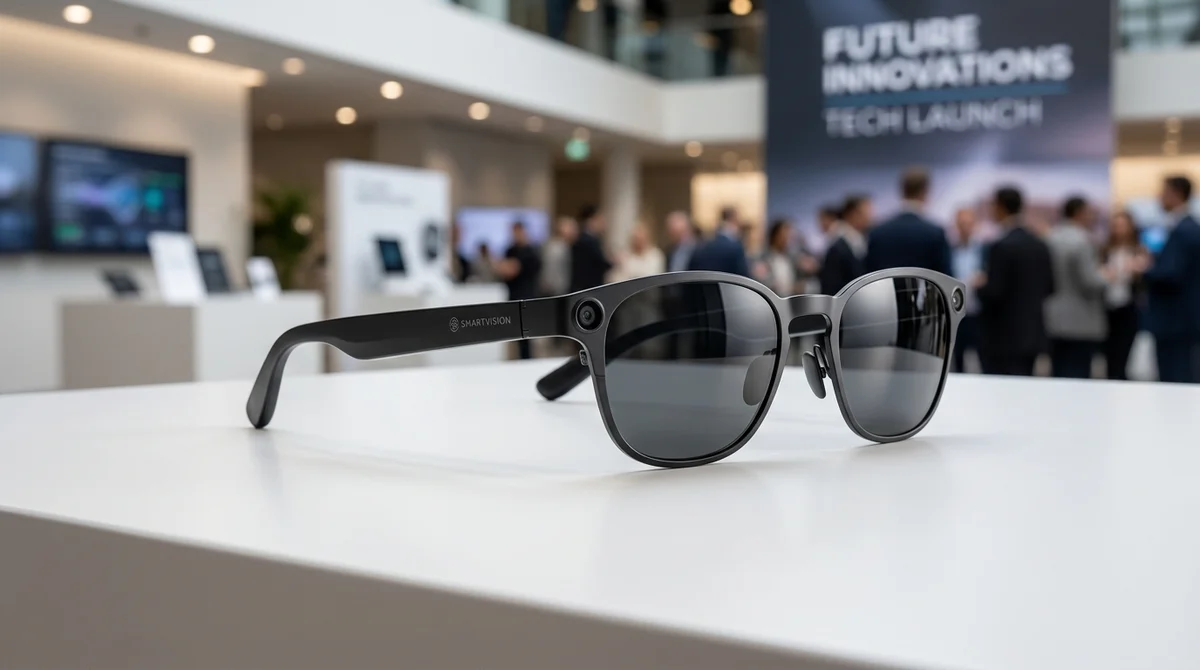
Meta and its optical manufacturing partner EssilorLuxottica are preparing to launch the next generation of Ray-Ban smart glasses with built-in artificial intelligence. The main evidence is two new FCC registration numbers for devices published by the American regulator in early April 2026. Both documents describe test samples as production units, which is fundamentally important for assessing product launch timelines.
The US Federal Communications Commission (FCC) requires mandatory registration of all wireless devices before they appear on the American market. Manufacturers typically submit documents at the final stage of development — when the device has already passed all internal checks and is ready for production. The key detail in the current applications: the samples are clearly identified as production units, not engineering prototypes or pre-production versions.
This means that production has either already started or is on the verge of starting. In the world of consumer electronics, such terminology almost always precedes a public announcement within a matter of weeks.
Historical precedent confirms this logic. The second generation of Ray-Ban Smart Glasses went on sale in late 2023 — and similar FCC documents for those devices appeared approximately a month before the official announcement. If Meta adheres to the same market launch strategy, an announcement about the third generation could come as early as this summer. Neither sources inside the company nor official Meta representatives have confirmed or denied this timeline, but the chain of documents speaks for itself.
Ray-Ban Meta smart glasses are one of the few consumer AI wearable products that have seriously penetrated the mass market. Second-generation devices can take photos and videos, launch live streams on Instagram, play music through built-in open speakers, and — most importantly from the perspective of Meta's AI strategy — interact with the Meta AI voice assistant. The assistant processes visual input from the camera and allows users to ask questions about what they see before them, receiving voice answers without touching the screen once. This feature became the main selling point in 2024 for audiences uninterested in heavy AR headsets but ready for unobtrusive AI in everyday life.
Meta has repeatedly called smart glasses a flagship direction of its hardware strategy and reported stable sales growth throughout 2024. There are almost no technical details about the third generation. FCC registrations contain information about wireless modules and radiation parameters, but do not reveal the design of new models, the feature list, or pricing policy. Two separate registration numbers indicate two models — likely with different frames or in different price segments, as Meta has already done by offering design variations within one generation.
Competition in the segment of smart glasses with AI has noticeably intensified. Google announced a return to the category jointly with Samsung, Snap continues to develop the Spectacles platform, and several Asian brands are launching more affordable alternatives. Despite this, Meta maintains a structural advantage: the Ray-Ban brand with a long history and huge loyal audience, EssilorLuxottica's manufacturing scale, and an already formed user base — people who bought the second generation and are accustomed to the device. If the announcement proceeds according to the established pattern, the third generation of Ray-Ban AI glasses claims the title of one of the key gadgets of 2026 in the wearable electronics category.
- Oct 28, 2026Wired Tested 6 AI Agents in a Day: Dots Leads, Gemini Spark Fails at Lunch
- Oct 28, 2026Liquid AI releases LFM2.5-24B-A2B: an agent model with 2B active parameters
- Oct 28, 2026Meta releases Muse Spark Open: 816B parameters and the lead among US open-weight models
- Oct 28, 2026NVIDIA Releases 120B Nemotron 3.5 Super VL and Bolt Models for Local Agents
Build & Ship Production AI Agents Without Boilerplate Code
Start your free 72-hour trial at Hamidun Academy (academy.hamidun.com) — interactive lessons on Claude Code & Cursor, live Tech Radar, and production agent templates.
The AI world, distilled — once a week
Seven stories that actually mattered, hand-picked. No noise, no reposts, no press releases.
Done! Check your inbox for a confirmation.