Ex-Apple engineers unveil Button, a wearable AI button, without saying what it's for
Former Apple engineers have built Button, a wearable AI button: press it and an AI assistant activates. That is where the information ends: no price, no features, no date. The AI gadget market has already lived through the Humane AI Pin (a $116 million failure) and the Rabbit R1 (a disappointment for users). So far, Button has only a team with Apple on its résumé. The company has not said how the device works, whether through voice, visual input or cloud queries. The device enters a niche where comparable projects failed to find a mass audience.
AI-processed from 3DNews AI; edited by Hamidun News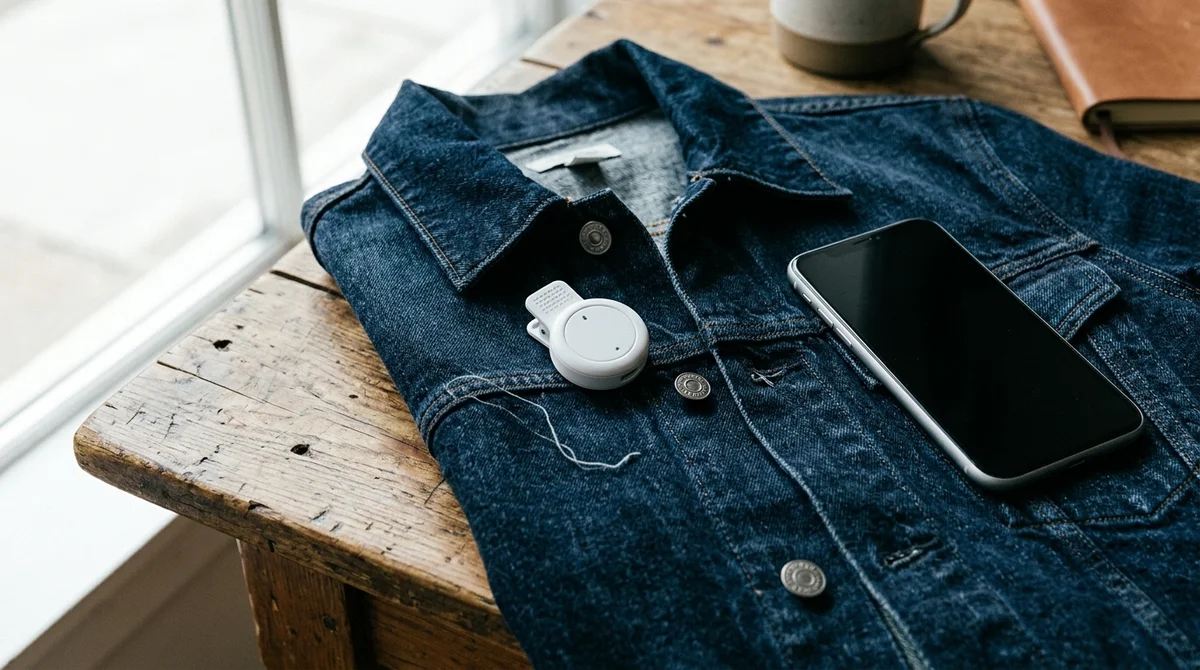
A team of former Apple engineers has launched a startup and unveiled a wearable AI gadget called Button, a small device worn on the body that is meant to interact with artificial intelligence. Almost everything else remains a mystery.
What the device is
Button is a physical AI-enabled button announced on the site buttoncomputer.com. The page is austere and minimalist: a few sentences about the product, a photo of the device and a form to sign up for launch notifications. The page gives no price, no technical specifications and no clear use case.
According to the available information, Button is worn on the body, apparently clipped to clothing or used as a clip. Pressing the button activates an AI assistant that performs certain tasks. The company does not disclose how the interaction works, whether through voice, visual input or cloud queries. The release date and price range have not been announced either.
The only selling point so far is the founders' background. "Former Apple engineers" has long become a stock line in the pitch decks of consumer electronics makers. For a project that aims to change the wearables market, this is unusually little information at the outset.
A market where competitors have failed
Button is entering a niche where similar projects failed to find a mass audience. AI gadgets of the past two years have become a symbol of inflated expectations:
- Humane AI Pin: a wearable AI projector from Apple alumni; it flopped commercially and the company was sold for $116 million
- Rabbit R1: a pocket AI device priced at $199; it disappointed users with instability and slow responses
- Frame by Brilliant Labs: open-source AI glasses; they did not find a wide audience despite niche interest
- Meta Ray-Ban with AI: the only relatively successful product in the niche, though it too remains niche*
The common problem is that none of these products gave a clear answer to the question "why?" A smartphone can already run ChatGPT, Claude and Gemini, understands context, works as a voice assistant, and is always in your pocket. Convincing users to wear an extra device on their body is a task no one managed to solve convincingly in 2024–2025.
Apple on a résumé guarantees nothing
The Humane AI Pin shows that a star team does not protect against failure. The product was built by Apple alumni with long résumés. The device shipped with a thoughtful design, an original laser projection technology and a $699 price tag. It failed because users simply did not need it.
Working at Apple means understanding hardware design, holding products to strict quality standards and having experience shipping products in the millions. But that does not guarantee hitting a real product need. So far, Button has shown nothing beyond its team and a minimalist website.
"The AI-driven revolution in consumer electronics never happened."
What this means
Button is another attempt to find a form factor for AI beyond the smartphone screen. The market is waiting not for a pretty gadget or impressive founder biographies, but for a concrete answer: what exactly can this device do better than the phone that is always in your pocket. Until the team gives that answer publicly, its chances of breaking out of the early-enthusiast niche remain low.
*Meta is designated an extremist organization and banned in Russia.
- Nov 2, 2026TensorFold 1.2.0 boosts Qwen3.8-27B throughput on M3 Ultra by 44.2% at 16 streams
- Nov 1, 2026Local models lose to Opus and Codex: 0.21 on a MacBook versus 1.00 for Codex
- Oct 29, 2026Claude Code Edits Video From a Transcript: How the video-use Skill With 30 000 Stars Works
- Oct 29, 2026Stanford AI tool verifies part of Signal's code in half a day for under $500, versus five months of expert work
Key Questions Answered
What the device is?
Button is a physical AI-enabled button announced on the site buttoncomputer.com. The page is austere and minimalist: a few sentences about the product, a photo of the device and a form to sign up for launch notifications. The page gives no price, no technical specifications and no clear use case. According to the available information, Button is worn on the body, apparently clipped to clothing or used as a clip. Pressing the button activates an AI assistant that performs certain tasks. The company does not disclose how the interaction works, whether through voice, visual in
What are the key details on A market where competitors have failed?
Button is entering a niche where similar projects failed to find a mass audience. AI gadgets of the past two years have become a symbol of inflated expectations: Humane AI Pin: a wearable AI projector from Apple alumni; it flopped commercially and the company was sold for $116 million Rabbit R1: a pocket AI device priced at $199; it disappointed users with instability and slow responses Frame by Brilliant Labs: open-source AI glasses; they did not find a wide audience despite niche interest Meta Ray-Ban with AI: the only relatively successful product in the niche, though it
What are the key details on Apple on a résumé guarantees nothing?
The Humane AI Pin shows that a star team does not protect against failure. The product was built by Apple alumni with long résumés. The device shipped with a thoughtful design, an original laser projection technology and a $699 price tag. It failed because users simply did not need it. Working at Apple means understanding hardware design, holding products to strict quality standards and having experience shipping products in the millions. But that does not guarantee hitting a real product need. So far, Button has shown nothing beyond its team and a minimalist website. "The
Test Frontier LLMs & Autonomous Agents in One Workspace
Run Claude Opus 5.5, GPT-6, Gemini 3.1, and DeepSeek side-by-side in Nomad AI (nomadnet.ai) — unified model routing, deep research, and multimodal workflows under one subscription.
The AI world, distilled — once a week
Seven stories that actually mattered, hand-picked. No noise, no reposts, no press releases.
Done! Check your inbox for a confirmation.