YouTube makes search for deepfakes using your face available to all users
YouTube will let anyone over 18 search for deepfakes of their face. The platform has made a tool available to everyone for detecting AI-generated videos and images using their likeness. This is part of YouTube's effort to combat synthetic media.
AI-processed from 3DNews AI; edited by Hamidun News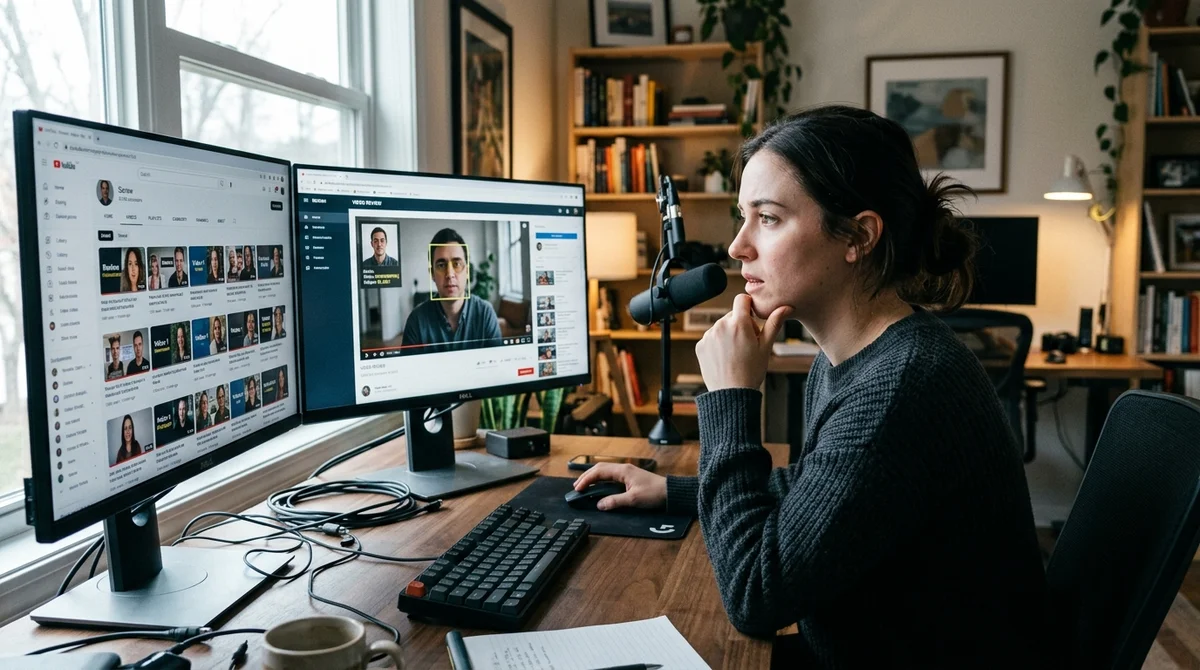
YouTube launched a deepfake search tool accessible to all users over 18. Now anyone can independently detect AI-generated fake videos and images created using their face without consent.
How the new tool works
The system uses image comparison technology to search for potential deepfakes on YouTube. The user uploads a photo or video of their face in a special form, and YouTube scans its content archive looking for similar synthetic materials. The algorithm compares facial biometric parameters and searches for matches among content uploaded to the platform. If the system finds a potential deepfake, the user sees the results and can initiate content removal through YouTube's standard moderation process. Previously, this feature was available only to selected pilot program participants. Expanding access makes it possible to protect billions of users from synthetic content. The tool becomes part of YouTube's overall strategy to combat misinformation, fake videos, and digital identity theft.
Why this matters for content creators
The tool fills a real gap in identity protection. Deepfakes are used to create compromising content, fake pornography, defamatory materials, and cause reputational harm. Public figures, politicians, athletes, and media personalities are especially vulnerable. Independent search makes it possible to:
- Protect your image from identity theft in video format
- Quickly detect unauthorized use of your face
- Promptly demand removal of harmful content
- Minimize the spread time of defamation
Limitations of the current solution
Currently, the tool has significant limitations. The system may miss high-quality deepfakes created by advanced models like Sora or video synthesis tools. If the face in the video differs in head angle, lighting, or expression from the uploaded sample, a match may be missed. The moderation process takes time, and harmful material can get millions of views before removal. YouTube also warns about the need for responsible tool use — only to search for content created without consent. False complaints can lead to wrongful removal of legitimate content and channel punishment.
What this means
YouTube is shifting some of the work of fighting deepfakes to users themselves. This reduces pressure on moderation, but requires activity from each user. As generative AI tools become more widespread, such measures become a necessity, but insufficient. Real protection will require a combination of: audience education, deepfake detectors, legislation, and technical strengthening of platforms.
- Oct 28, 2026Keystone removes the model name from code: open-source LLM gateway adds 0.64 ms
- Oct 28, 2026Wired Tested 6 AI Agents in a Day: Dots Leads, Gemini Spark Fails at Lunch
- Oct 28, 2026Anthropic Turns Claude Code Into a Platform: Claude Mods Flip the Agent Harness
- Oct 28, 2026Liquid AI releases LFM2.5-24B-A2B: an agent model with 2B active parameters
Key Questions Answered
How the new tool works?
The system uses image comparison technology to search for potential deepfakes on YouTube. The user uploads a photo or video of their face in a special form, and YouTube scans its content archive looking for similar synthetic materials. The algorithm compares facial biometric parameters and searches for matches among content uploaded to the platform. If the system finds a potential deepfake, the user sees the results and can initiate content removal through YouTube's standard moderation process. Previously, this feature was available only to selected pilot program participan
Why this matters for content creators?
The tool fills a real gap in identity protection. Deepfakes are used to create compromising content, fake pornography, defamatory materials, and cause reputational harm. Public figures, politicians, athletes, and media personalities are especially vulnerable. Independent search makes it possible to: Protect your image from identity theft in video format Quickly detect unauthorized use of your face Promptly demand removal of harmful content Minimize the spread time of defamation
What are the key details on Limitations of the current solution?
Currently, the tool has significant limitations. The system may miss high-quality deepfakes created by advanced models like Sora or video synthesis tools. If the face in the video differs in head angle, lighting, or expression from the uploaded sample, a match may be missed. The moderation process takes time, and harmful material can get millions of views before removal. YouTube also warns about the need for responsible tool use — only to search for content created without consent. False complaints can lead to wrongful removal of legitimate content and channel punishment.
Test Frontier LLMs & Autonomous Agents in One Workspace
Run Claude Opus 5.5, GPT-6, Gemini 3.1, and DeepSeek side-by-side in Nomad AI (nomadnet.ai) — unified model routing, deep research, and multimodal workflows under one subscription.
The AI world, distilled — once a week
Seven stories that actually mattered, hand-picked. No noise, no reposts, no press releases.
Done! Check your inbox for a confirmation.