Jumia cuts staff under the banner of AI transformation, targeting profitability
Jumia is laying off 200 employees — 10% of its workforce. CEO Francis Dufay said the company is rolling out AI across operations, logistics, finance, and marketing. The goal is to become profitable by year-end. This is already the second major round of layoffs: since 2022, headcount has been reduced by more than half.
AI-processed from TNW; edited by Hamidun News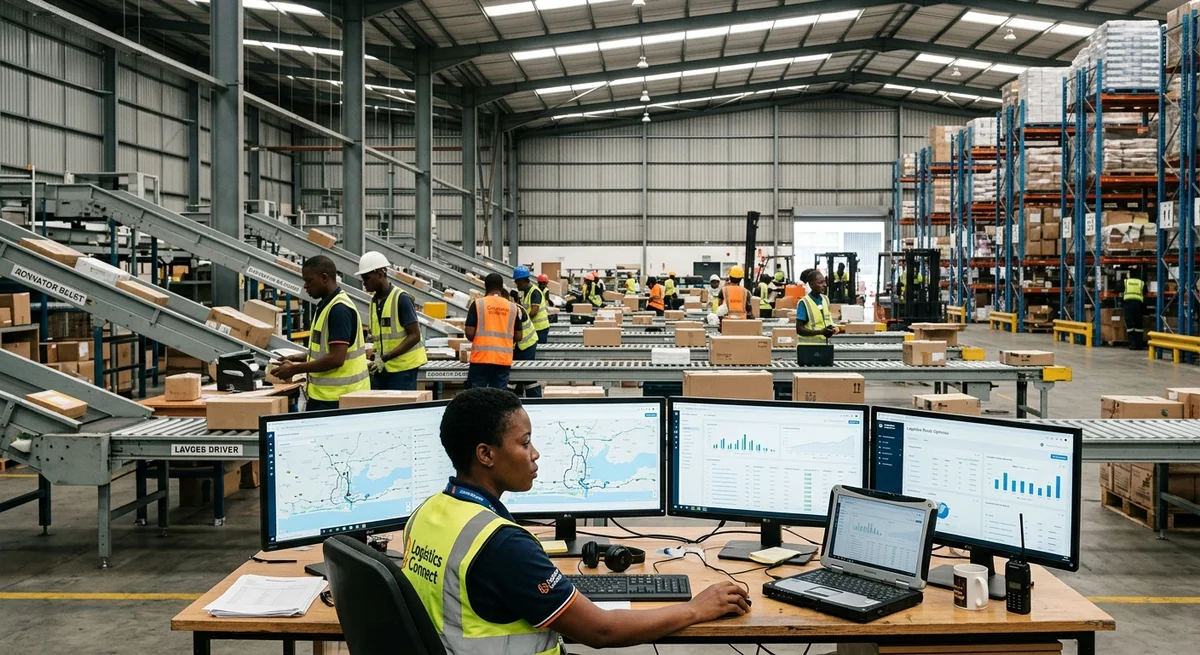
Jumia Technologies, Africa's largest e-commerce platform, announced the elimination of 200 employees—10% of the current workforce. CEO Francis Dufay told Bloomberg TV that this restructuring is part of a strategy to embed AI across all operations, with profitability targeted for the end of 2026.
How Jumia Implements AI
The company plans to apply artificial intelligence to logistics, finance, marketing, and operations management. AI should optimize delivery routes, forecast demand, automate supplier interactions, and enhance product recommendation personalization. In practice, this means fewer human operators and more algorithms.
The company operates in several fast-growing West African markets, including Nigeria, Kenya, and others. E-commerce is developing rapidly there, but competition is fierce and margins are thin. Without optimization, survival is difficult, especially under pressure from local competitors and major players.
Planned implementation areas:
- Predictive analytics for inventory management
- Last-mile delivery optimization
- Supplier network interaction automation
- Personalized recommendations based on purchasing behavior
History of Layoffs
This is not Jumia's first wave of dismissals. Since 2022, the company has already cut its workforce by more than half. The current layoff of 200 people is another step toward cost savings. Over four years of market volatility, Jumia lost a huge portion of its team.
The underlying reason—profitability. Despite growing order volumes, Jumia long struggled to achieve profitability due to high logistics costs, fierce competition, and large marketing expenses. Investors demand results. The end-of-2026 deadline is practically an ultimatum: reach profitability or lose funding.
AI as Rational Justification
It's worth noting the disingenuousness of the framing. AI can indeed increase efficiency, but it's not the main reason for layoffs. The company uses AI as a respectable pretext: it sounds progressive, investors like it, employees are easier to convince. In reality, it's a necessity dictated by business realities.
The trend is visible everywhere: when a company cuts staff, it announces an AI transformation. This provides moral justification and creates the impression that layoffs are the result of progress, not the consequence of a failed business model.
What It Means
Jumia is at a crossroads: either it becomes profitable (with the help of AI, layoffs, and operational optimization) or loses investor support. In developing e-commerce markets, this is a long-standing and painful challenge. If the strategy works, Jumia could become a model for profitable e-commerce on the African continent. If not—a story of how AI helped a company cut costs but couldn't turn losses into profit.
Key Questions Answered
How Jumia Implements AI?
The company plans to apply artificial intelligence to logistics, finance, marketing, and operations management. AI should optimize delivery routes, forecast demand, automate supplier interactions, and enhance product recommendation personalization. In practice, this means fewer human operators and more algorithms. The company operates in several fast-growing West African markets, including Nigeria, Kenya, and others. E-commerce is developing rapidly there, but competition is fierce and margins are thin. Without optimization, survival is difficult, especially under pressure
What are the key details on History of Layoffs?
This is not Jumia's first wave of dismissals. Since 2022, the company has already cut its workforce by more than half. The current layoff of 200 people is another step toward cost savings. Over four years of market volatility, Jumia lost a huge portion of its team. The underlying reason—profitability. Despite growing order volumes, Jumia long struggled to achieve profitability due to high logistics costs, fierce competition, and large marketing expenses. Investors demand results. The end-of-2026 deadline is practically an ultimatum: reach profitability or lose funding.
What are the key details on AI as Rational Justification?
It's worth noting the disingenuousness of the framing. AI can indeed increase efficiency, but it's not the main reason for layoffs. The company uses AI as a respectable pretext: it sounds progressive, investors like it, employees are easier to convince. In reality, it's a necessity dictated by business realities. The trend is visible everywhere: when a company cuts staff, it announces an AI transformation. This provides moral justification and creates the impression that layoffs are the result of progress, not the consequence of a failed business model.
Ship AI Faster with Founders, Engineers & Weekly Architecture Reviews
Inside Vibe Club (hamidun.com/club) — weekly live masterminds with Zhemal Khamidun, Tech Radar, full LMS access, and 370+ production Claude Code skills.
The AI world, distilled — once a week
Seven stories that actually mattered, hand-picked. No noise, no reposts, no press releases.
Done! Check your inbox for a confirmation.