Matt Keightley Launches AI Garden Design Assistant, Angering Peers
A scandal has erupted among gardeners at the prestigious Chelsea Flower Show in London. Matt Keightley, a well-known designer who has created landscapes for Prince Harry, is using artificial intelligence to design his own show garden. His colleagues are outraged and see AI automation as a direct threat to traditional craftsmanship. Keightley has launched his own app that can automate the creation of garden compositions. Critics argue it reduces a creative process to a cold algorithm.
AI-processed from Guardian; edited by Hamidun News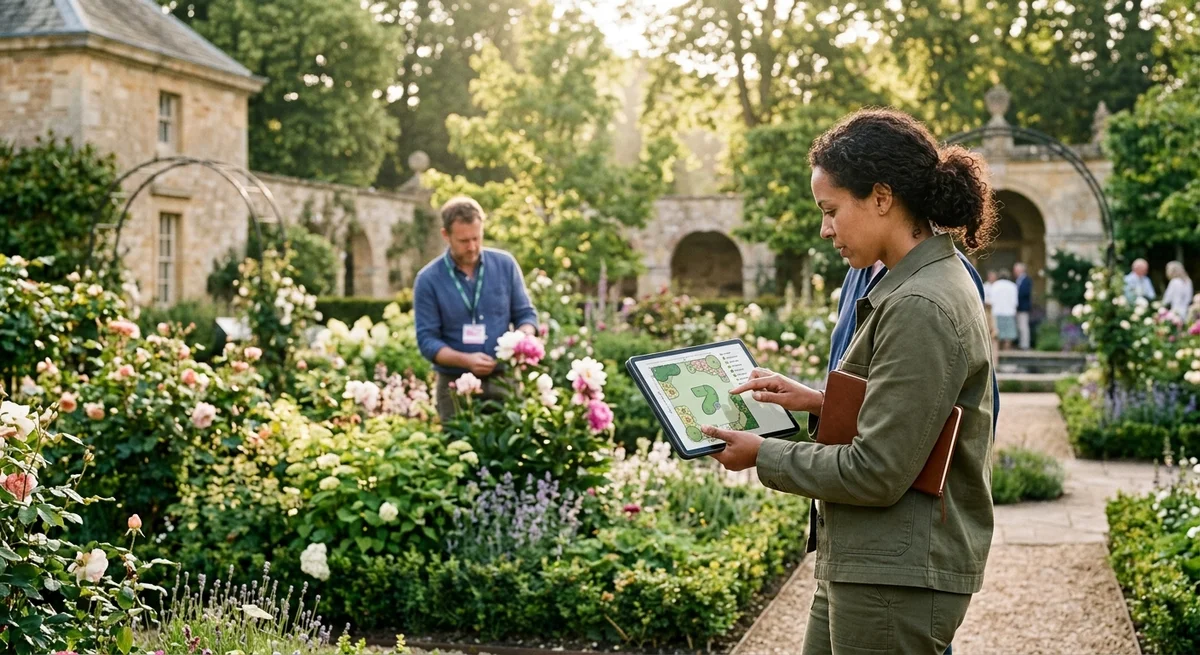
A conflict has broken out among designers at the Chelsea Flower Show, one of the most prestigious horticultural events in the UK. The cause is AI in the hands of well-known gardener Matt Keightley, who has created gardens for members of the royal family.
When a designer meets an algorithm
Matt Keightley is a legendary figure in landscape design. His portfolio includes projects for princes and billionaires, and his work has won at the best shows. At the Chelsea Flower Show, which will take place next week on the grounds of the Royal Hospital Chelsea in London, he plans to present a project created with the help of artificial intelligence.
The designer has launched his own app that can automate the creation of garden compositions. The algorithm analyzes climate conditions, soil type, light levels, the available budget and the owner's aesthetic preferences, and from this data produces a ready-made design plan. The system suggests a selection of plants, their placement, paths and infrastructure elements.
For Keightley, this is a way to scale his work and make the high art of gardening more accessible. Instead of a months-long process of personal consultation, the plan is ready in hours.
But not everyone in the gardening community is happy with the decision.
Secateurs instead of gladioli
Despite the friendly atmosphere of the show, with glasses of champagne among the peonies, Keightley's colleagues greeted his decision with open indignation. Many well-known gardeners express deep concern that AI could fundamentally change their profession.
Traditionally, garden design is not just technical calculations and two-dimensional plans. It is intuition built on generations of experience, a dialogue with nature and place, a feeling for the spirit of a site. Every plant is chosen by hand, its place in the composition is carefully considered, and seasonal changes and growth are taken into account. By using AI, critics claim, Keightley reduces the creative process to a cold algorithm.
Colleagues' main concerns:
- Loss of skills and craftsmanship in the next generation of designers
- The question of authorship and originality of AI-generated designs
- Fierce competition from an algorithm that works faster and cheaper
- The risk of standardizing gardens, with a loss of uniqueness and regional character
The machine does not see beauty
Opponents of using AI in design raise serious arguments about the technical limitations of algorithms. Artificial intelligence works with quantitative data and existing patterns, but it cannot feel the connection between a place and a plant, does not understand the deep symbolism of flowers in different cultures, and cannot anticipate how a garden will transform over the years as trees grow, flowers spread and the boundaries of the composition blur.
Moreover, the Chelsea Flower Show is not just an exhibition but a competition, where the jury judges not only the functionality of a landscape but also its artistry, innovation and harmony of detail. Letting AI-made designs compete on equal terms with original human work means changing the basic rules of the game.
What this means
The conflict at the Chelsea Flower Show is a microcosm of a much larger debate about the role of AI in creative professions. Interior designers, architects, artists and writers all face the same fundamental question. Will AI become a simple tool that helps a master realize his vision, or will it gradually begin to replace the craft itself?
The answer will become clear when the Chelsea Flower Show jury announces the results and decides whether a garden designed by a machine has the right to a gold medal.
Key Questions Answered
When a designer meets an algorithm?
Matt Keightley is a legendary figure in landscape design. His portfolio includes projects for princes and billionaires, and his work has won at the best shows. At the Chelsea Flower Show, which will take place next week on the grounds of the Royal Hospital Chelsea in London, he plans to present a project created with the help of artificial intelligence. The designer has launched his own app that can automate the creation of garden compositions. The algorithm analyzes climate conditions, soil type, light levels, the available budget and the owner's aesthetic preferences, and
What are the key details on Secateurs instead of gladioli?
Despite the friendly atmosphere of the show, with glasses of champagne among the peonies, Keightley's colleagues greeted his decision with open indignation. Many well-known gardeners express deep concern that AI could fundamentally change their profession. Traditionally, garden design is not just technical calculations and two-dimensional plans. It is intuition built on generations of experience, a dialogue with nature and place, a feeling for the spirit of a site. Every plant is chosen by hand, its place in the composition is carefully considered, and seasonal changes and
What are the key details on The machine does not see beauty?
Opponents of using AI in design raise serious arguments about the technical limitations of algorithms. Artificial intelligence works with quantitative data and existing patterns, but it cannot feel the connection between a place and a plant, does not understand the deep symbolism of flowers in different cultures, and cannot anticipate how a garden will transform over the years as trees grow, flowers spread and the boundaries of the composition blur. Moreover, the Chelsea Flower Show is not just an exhibition but a competition, where the jury judges not only the functionalit
Test Frontier LLMs & Autonomous Agents in One Workspace
Run Claude Opus 5.5, GPT-6, Gemini 3.1, and DeepSeek side-by-side in Nomad AI (nomadnet.ai) — unified model routing, deep research, and multimodal workflows under one subscription.
The AI world, distilled — once a week
Seven stories that actually mattered, hand-picked. No noise, no reposts, no press releases.
Done! Check your inbox for a confirmation.