Cloud for AI: Why the Architecture Differs from Web Clouds
AI-native companies such as Cursor grow in weekly cycles and need infrastructure more like an AI factory than a web cloud. Together AI identified four traits of a true cloud for AI: a continuous loop from training to inference, access to frontier research, high-performance infrastructure, and developer tooling.
AI-processed from Together AI Blog; edited by Hamidun News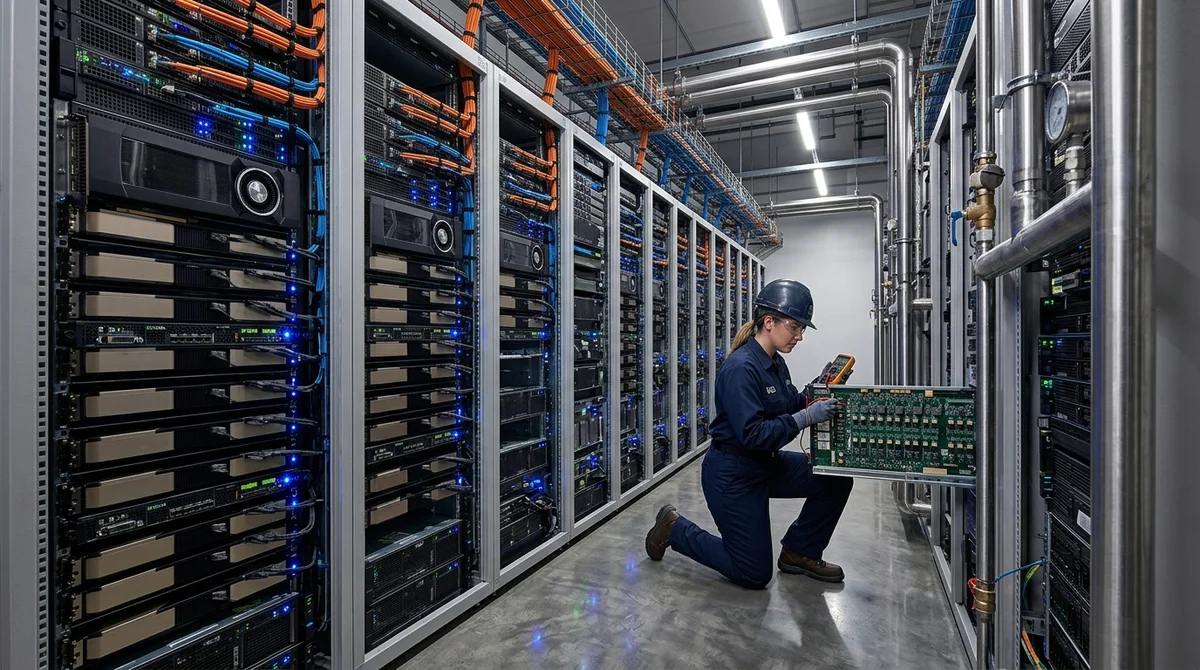
A cloud for AI is a fundamentally different architecture from clouds built for web applications, which were optimized for steady CPU load. Companies like Cursor, which iterate weekly, need infrastructure designed for GPU-intensive workloads and constant pressure to speed up experimentation.
Why does a cloud for AI differ from a cloud for web applications?
A cloud for neural networks is optimized for GPU-intensive workloads, weekly retraining cycles and constant pressure on experiment speed, rather than the steady CPU load typical of web applications.
Why does a cloud for AI require a different architecture?
In the 2010s, clouds were optimized for web applications with steady CPU load, but companies built on AI models need an architecture designed for weekly retraining cycles, GPU-intensive workloads and constant pressure on experiment speed.
How does a cloud for AI differ from an ordinary cloud?
A cloud for AI is optimized for GPU-intensive loads and weekly model retraining cycles, not for the steady web-application load typical of 2010s clouds.
Which companies need a dedicated cloud for AI?
Startups built around AI models that iterate on their product weekly or daily, such as Cursor and Decagon.
- Nov 2, 2026Karpathy builds a YouTube clone with 6454 videos from Hacker News recommendations in two hours
- Nov 2, 2026Bun creator uses Claude Code to port 750K lines from Zig to Rust in 11 days
- Nov 2, 2026mcp-linter finds 18 undescribed parameters in Anthropic's filesystem server
- Nov 2, 2026The Verge reviewer builds a $50 Meta Muse Charm alternative with Claude Code
Key Questions Answered
Why does a cloud for AI differ from a cloud for web applications?
A cloud for neural networks is optimized for GPU-intensive workloads, weekly retraining cycles and constant pressure on experiment speed, rather than the steady CPU load typical of web applications.
Why does a cloud for AI require a different architecture?
In the 2010s, clouds were optimized for web applications with steady CPU load, but companies built on AI models need an architecture designed for weekly retraining cycles, GPU-intensive workloads and constant pressure on experiment speed.
How does a cloud for AI differ from an ordinary cloud?
A cloud for AI is optimized for GPU-intensive loads and weekly model retraining cycles, not for the steady web-application load typical of 2010s clouds.
Which companies need a dedicated cloud for AI?
Startups built around AI models that iterate on their product weekly or daily, such as Cursor and Decagon.
Build & Ship Production AI Agents Without Boilerplate Code
Start your free 72-hour trial at Hamidun Academy (academy.hamidun.com) — interactive lessons on Claude Code & Cursor, live Tech Radar, and production agent templates.
The AI world, distilled — once a week
Seven stories that actually mattered, hand-picked. No noise, no reposts, no press releases.
Done! Check your inbox for a confirmation.