#Hardware
Curated coverage on «Hardware»: releases, research, benchmarks, open-source.
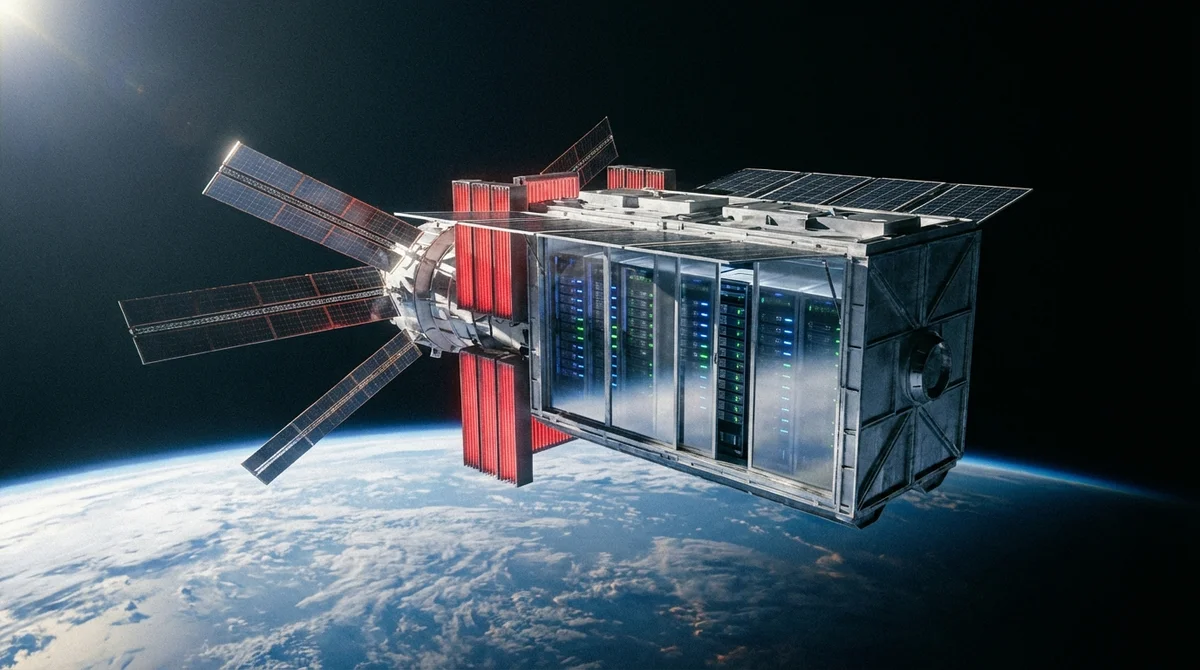


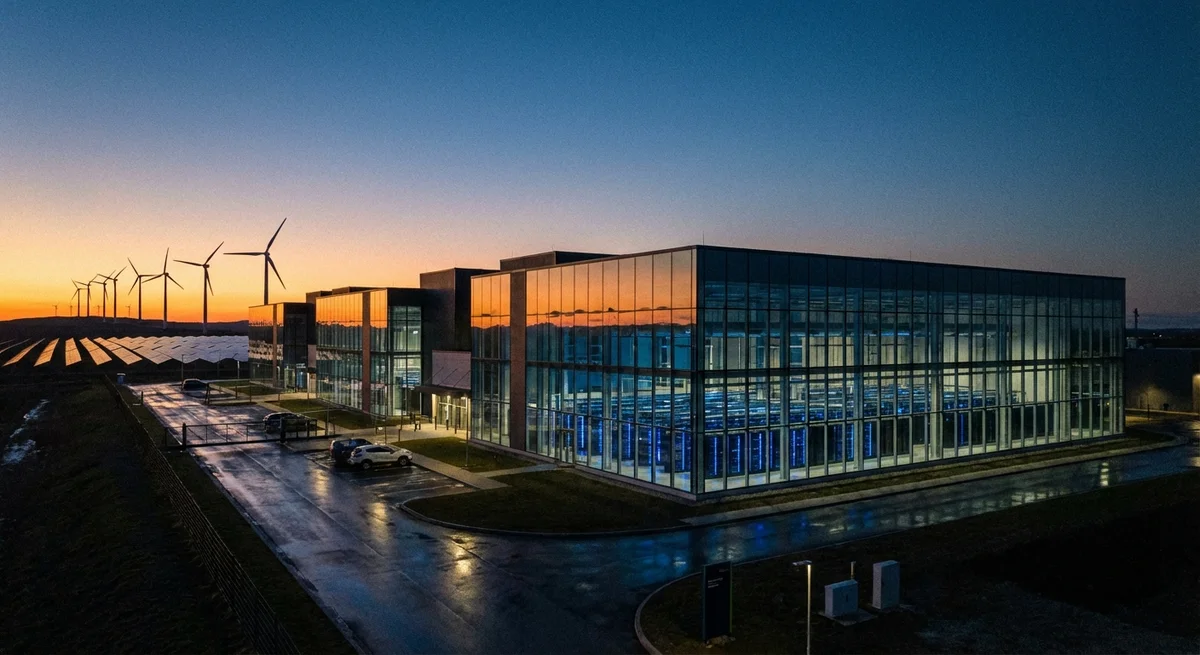
Schneider Electric: AI can not only consume energy, but also save it
Schneider Electric CEO Olivier Blum said that AI, despite its growing appetite for electricity, can become a key tool for energy savings. A paradox that could…

OpenAI enters India: partnership with Tata and plans for gigawatt-scale capacity
OpenAI has agreed with Tata to reserve 100 MW of data center capacity in India. The company's plans include expanding to 1 GW and opening offices in Mumbai and…
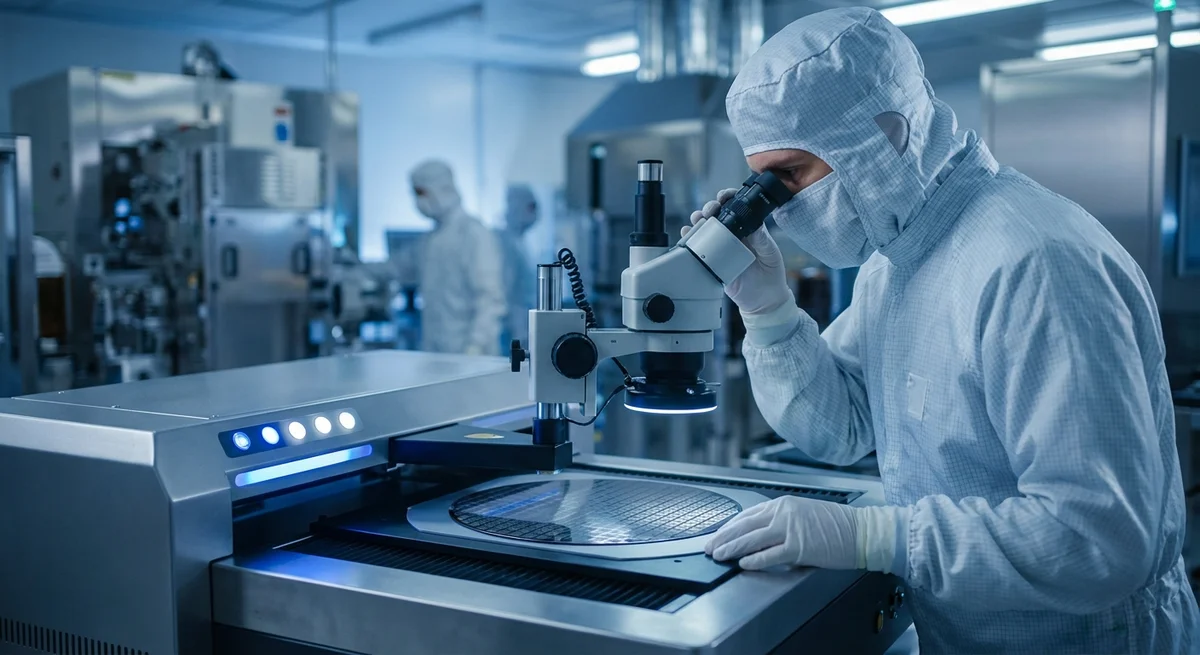
OpenAI and TSMC prepare to launch their own Titan AI chips
Sam Altman's startup is moving into production of its own hardware. The first 3-nanometer processors for training neural networks could roll off the line as early…

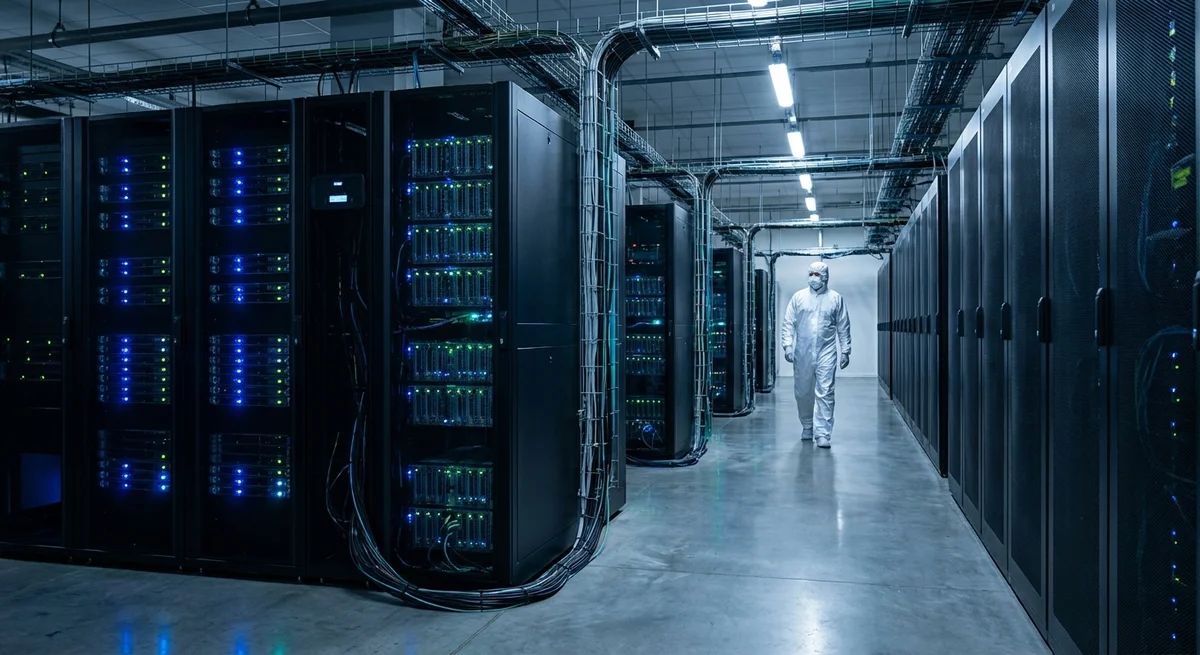
Meta buys millions of Nvidia chips to expand AI infrastructure

Nvidia fully exits its stake in Arm after takeover attempt

Apple is preparing three new wearable devices with AI support
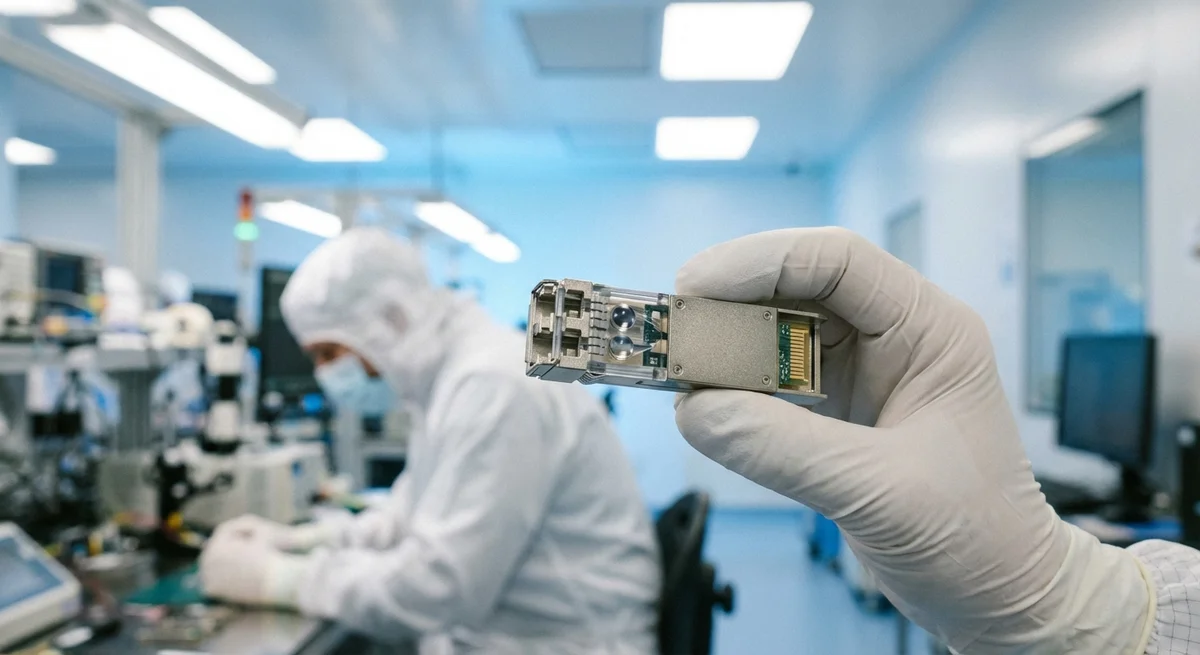
SpaceX veterans raise $50 million for optical communications for AI
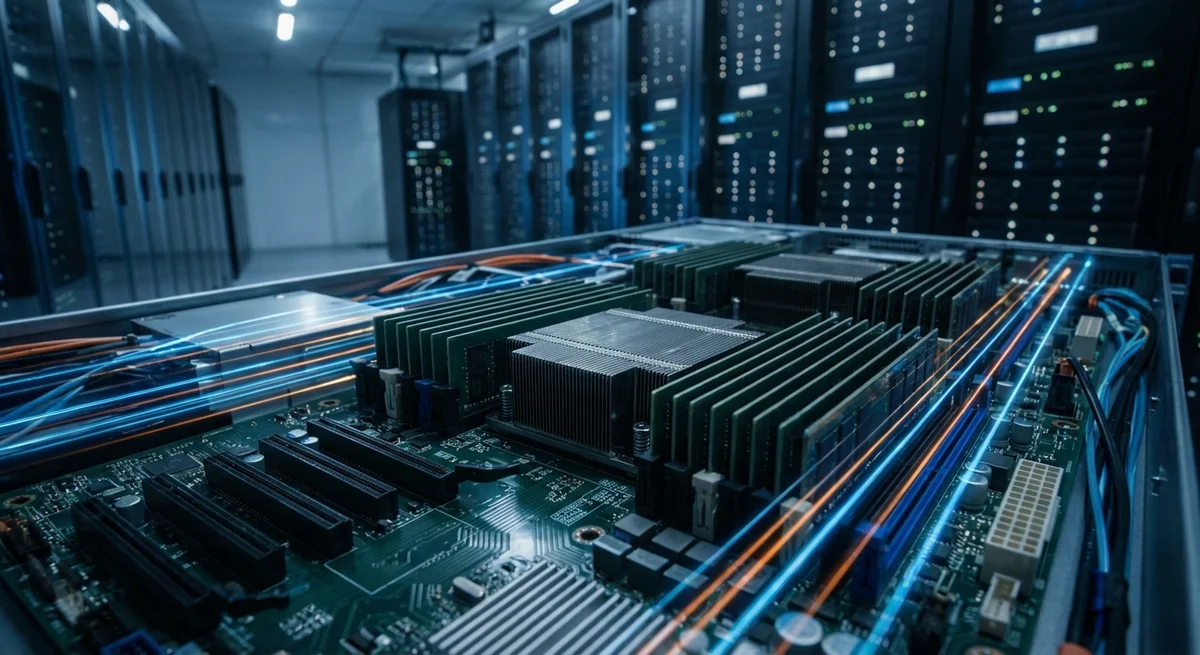
The battle for memory: why AI infrastructure is no longer limited to GPUs alone
While the industry watches the shortage of Nvidia chips, RAM is becoming the key bottleneck for neural network development. We explain why gigabytes have become…

Adani invests $100 billion in India's AI infrastructure
The large-scale 5 GW infrastructure project will strengthen India's position in the global AI race and lay the groundwork for the development of next-generation…


Unitree G1: new details on the company's most advanced humanoid

Elon Musk relaunches the Dojo3 chip project for computing in space

Anthropic CEO Dario Amodei criticized Nvidia in Davos
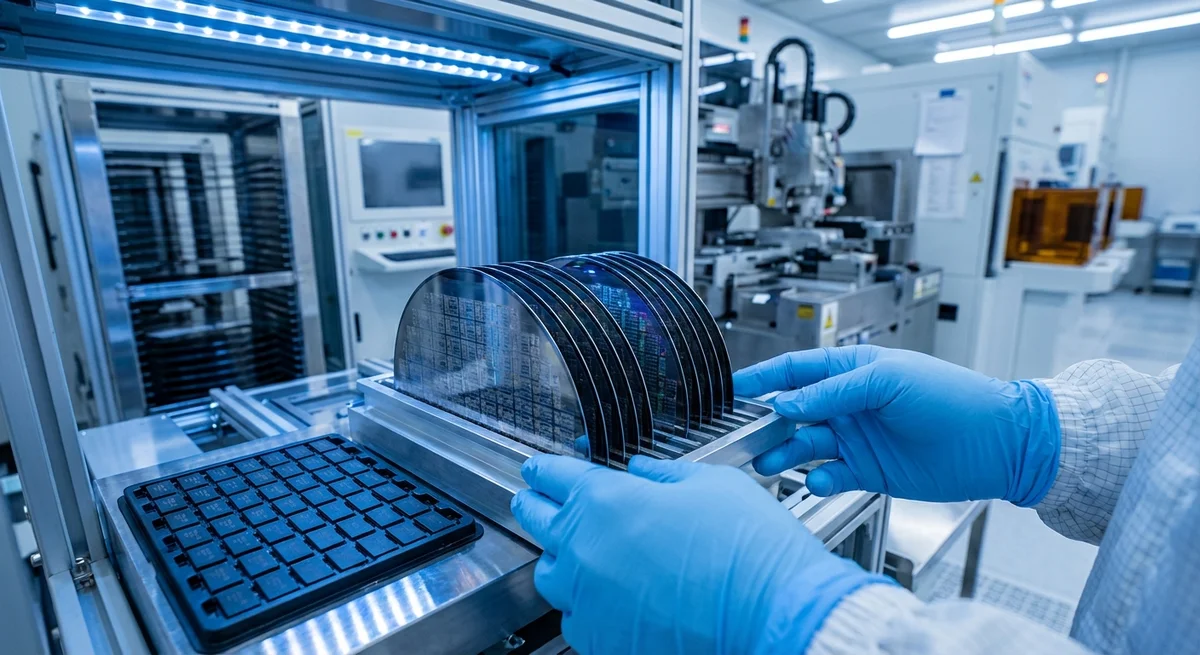
Memory shortage: how the AI boom sent DRAM chip prices soaring

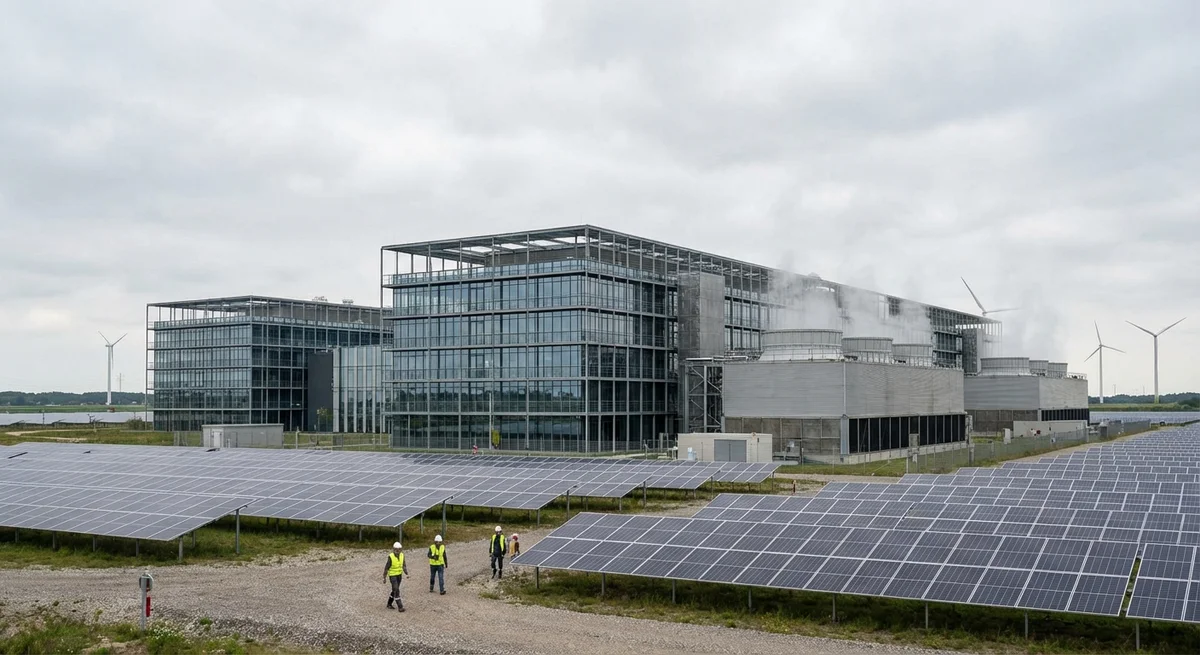
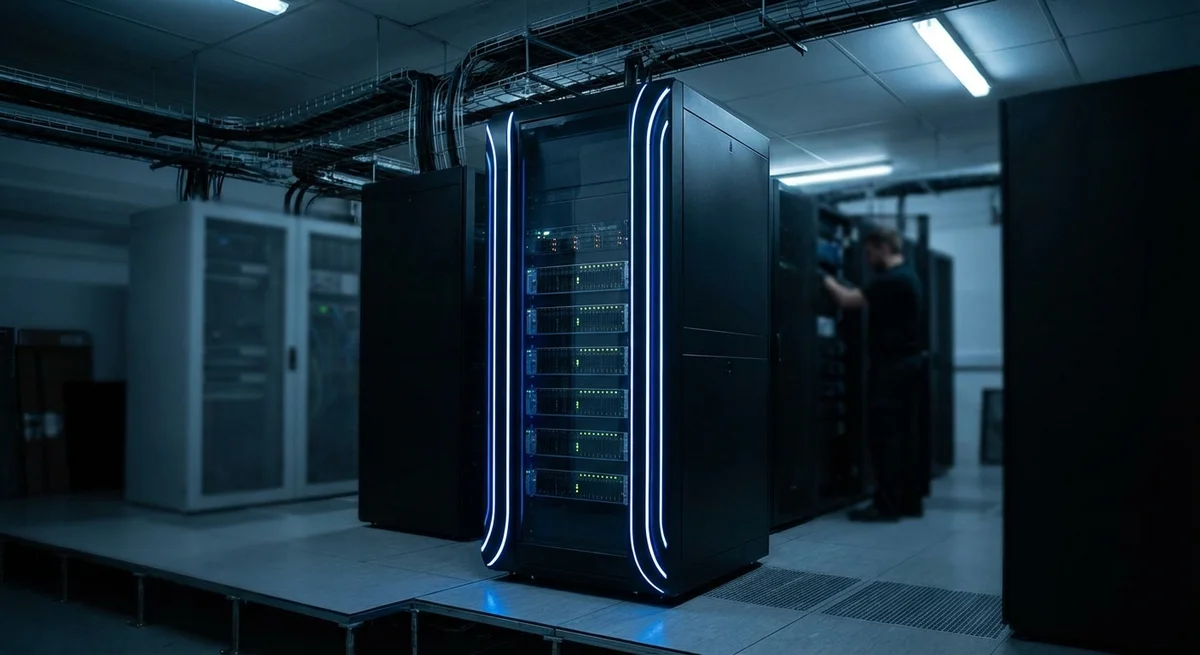


Indian startup C2i optimizes power supply for AI data centers
C2i has raised $15 million to develop a technology for directly delivering power from the grid to GPUs to minimize losses in infrastructure.
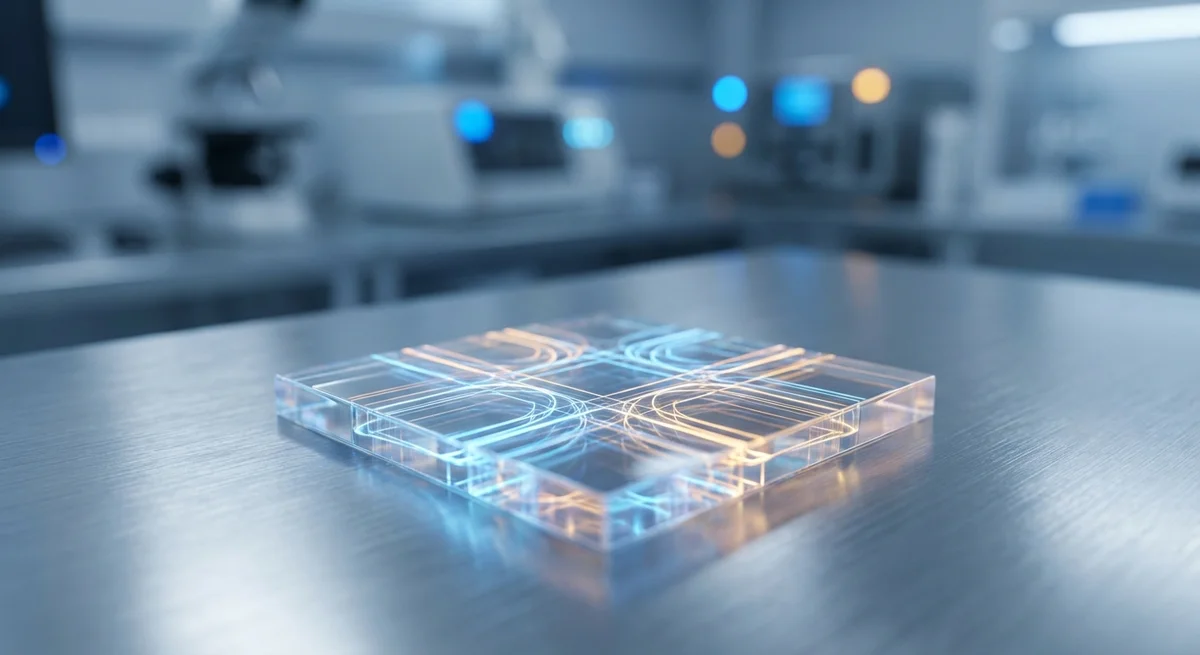
From "invisibility cloaks" to AI: Neurophos creates ultra-efficient optical chips
Startup Neurophos has raised $110 million to develop processors that use light instead of electricity to accelerate neural networks.