Reasoning Models
Reasoning models are a new class of AI that "thinks" before answering: spending extra compute at inference time, building chains of thought and solving problems ordinary LLMs cannot — math, code, science. They kicked off the test-time-compute race. Here is all our coverage of reasoning models: releases, benchmarks (GPQA, ARC-AGI), limits and cost.




Anthropic’s «Dreaming»: why AI companies should stop anthropomorphizing features
Anthropic called a new feature for AI agents «dreaming», but a Wired writer criticizes the trend toward anthropomorphism — companies present mechanisms as human…

Mira Murati is building AI models for simultaneous real-time interaction
Thinking Machines introduced interaction models — AI models that process audio, video, and text simultaneously and respond in real time, instead of waiting for the…

Thinking Machines is building AI that speaks and listens at the same time
Startup Thinking Machines has developed an approach that lets a model process input and generate a response simultaneously, like in a real phone conversation.
OpenAI sums up Parameter Golf: how coding agents are changing machine learning research

OpenAI updated ChatGPT to more accurately detect risk in sensitive conversations

OpenAI launched a personal finance mode in ChatGPT with bank account connections in the US
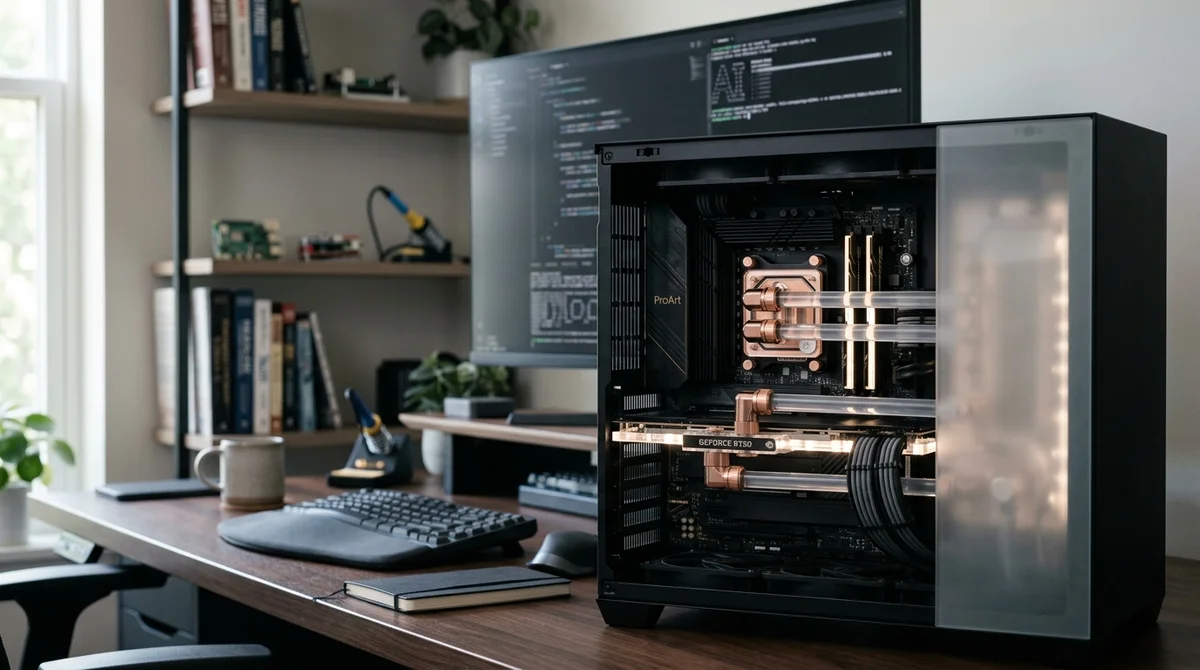
Nvidia Nemotron-Cascade-2 was run at home on a GeForce RTX 3090 at up to 150 tokens/s
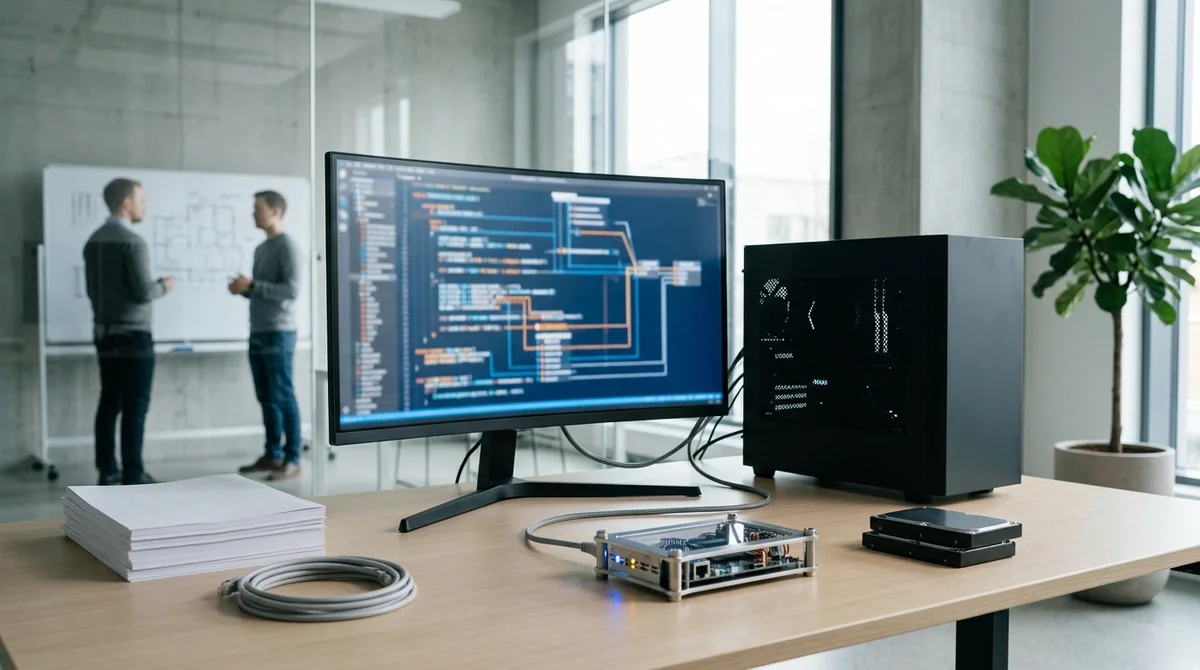
PAC1 exposed a weakness in reasoning models: a hardcoded agent passed the benchmark at lower cost
The closed PAC1 benchmark showed that in tasks involving files, JSON, and security traps, a fixed algorithm can sometimes work more reliably and at lower cost than…

OTUS explained on Habr how AI agents for software development work: from tokens to tools
Habr published a detailed breakdown of the architecture of AI agents for software development: what building blocks they consist of, why the cost of each step is…

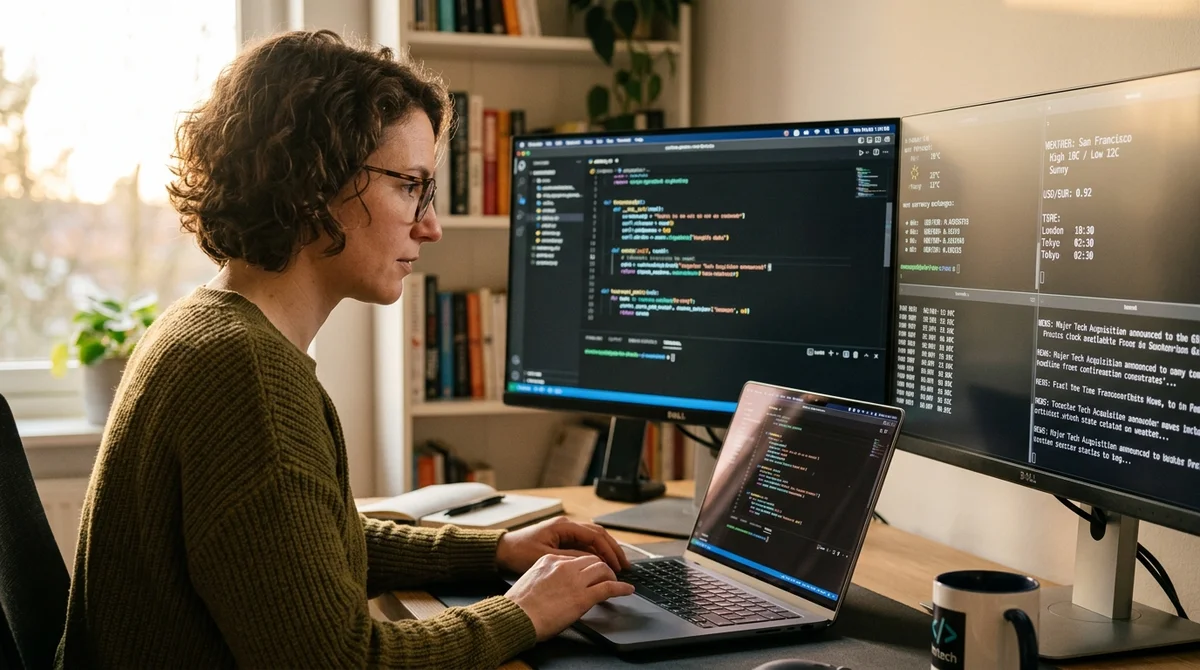
Google’s Gemma 4: how to run tool calling locally with Python and Ollama
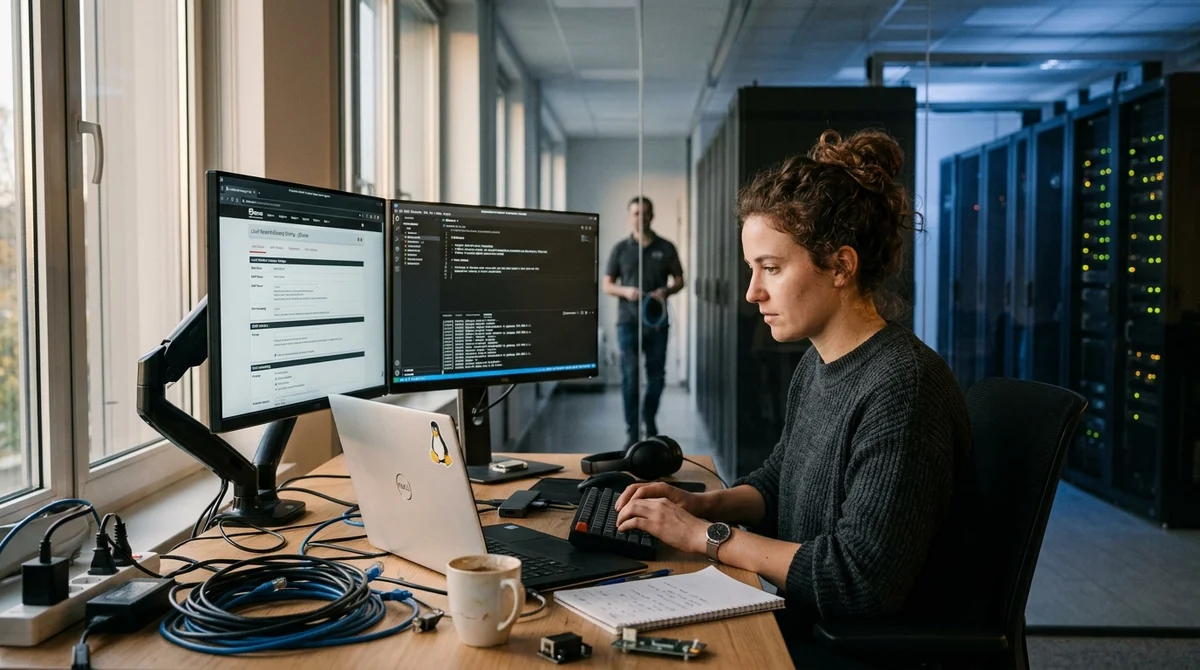
OpenClaw: how to build a local, secure runtime for AI agents without using the cloud

KDnuggets selected the five best books of 2026 for building agentic AI systems
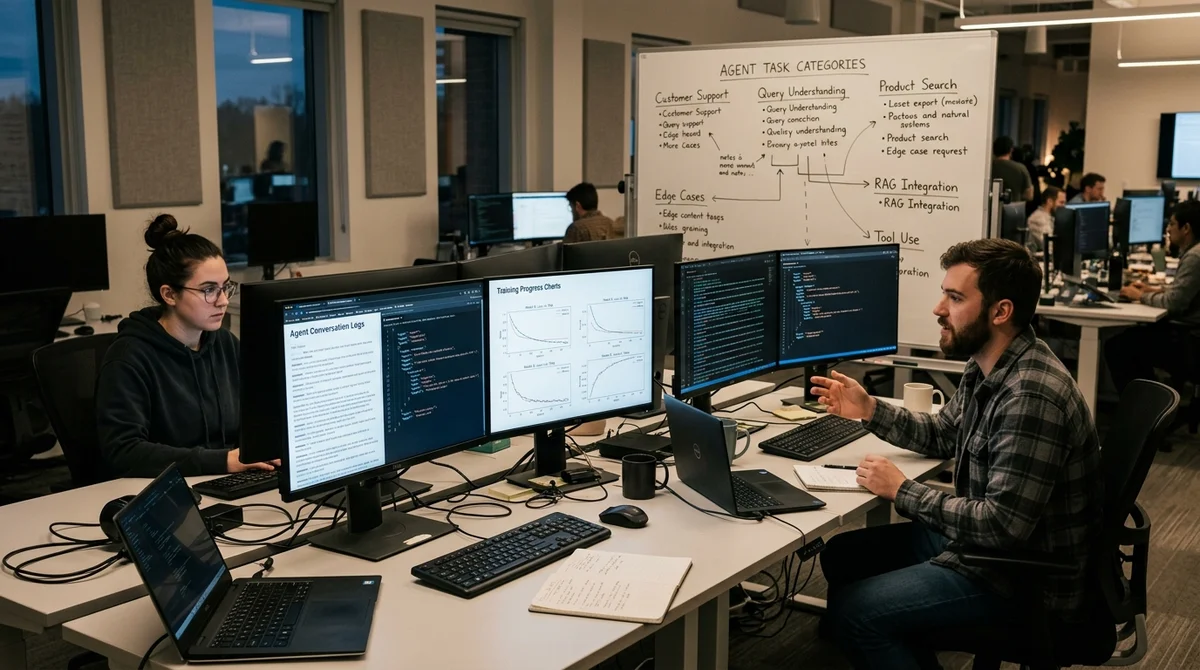
Hugging Face and Lambda: how to parse and fine-tune agent reasoning traces


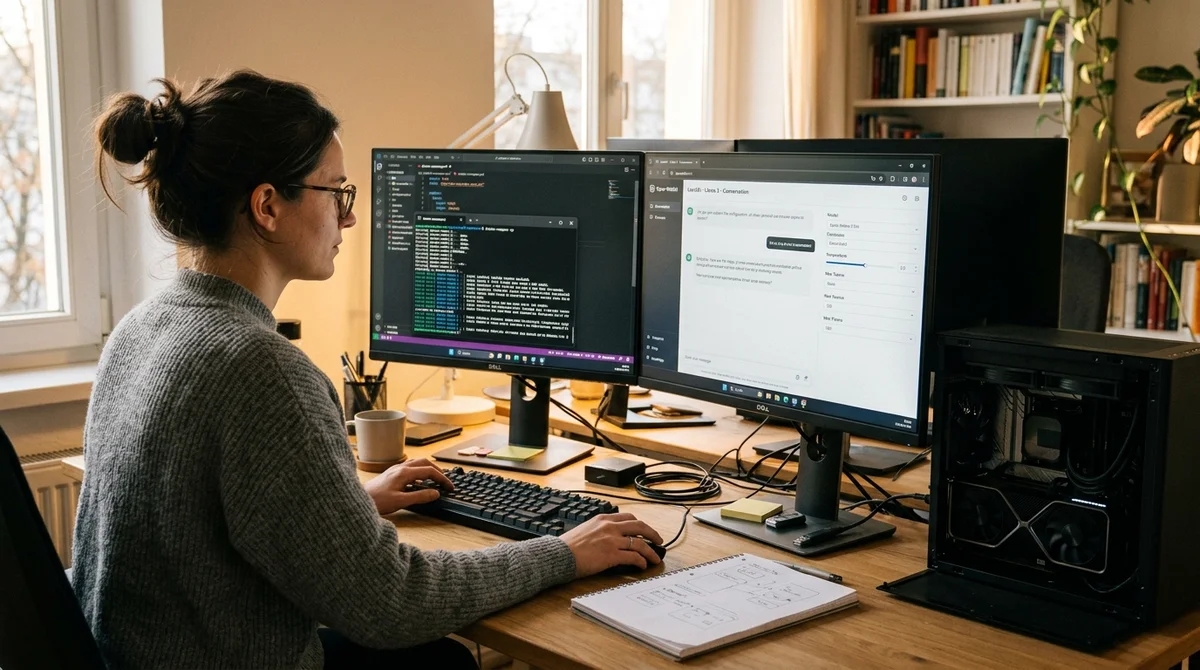
Open WebUI and llama.cpp: how to set up local web search with Qwen and Docker on Windows
The author of a practical guide showed how to turn the Open WebUI and llama.cpp pairing from weak web search into a working local stack with Qwen, Tika, Brave…

Microsoft OpenMementos: how to work with context compression and model training data
A step-by-step breakdown of the Microsoft OpenMementos dataset shows how to stream reasoning traces, parse blocks and mementos, measure context compression, and…