Gesture-Controlled AI Robot: How Wetour Reinvented the Interface
Wetour Robotics has abandoned traditional interfaces. Its Orchestra system processes three streams at once: where the body is, where the eyes are looking and what the hand is about to do. Using biosignals, the system anticipates the person's intent and sends a command to the device, all in under 100 milliseconds.
AI-processed from IEEE Spectrum AI; edited by Hamidun News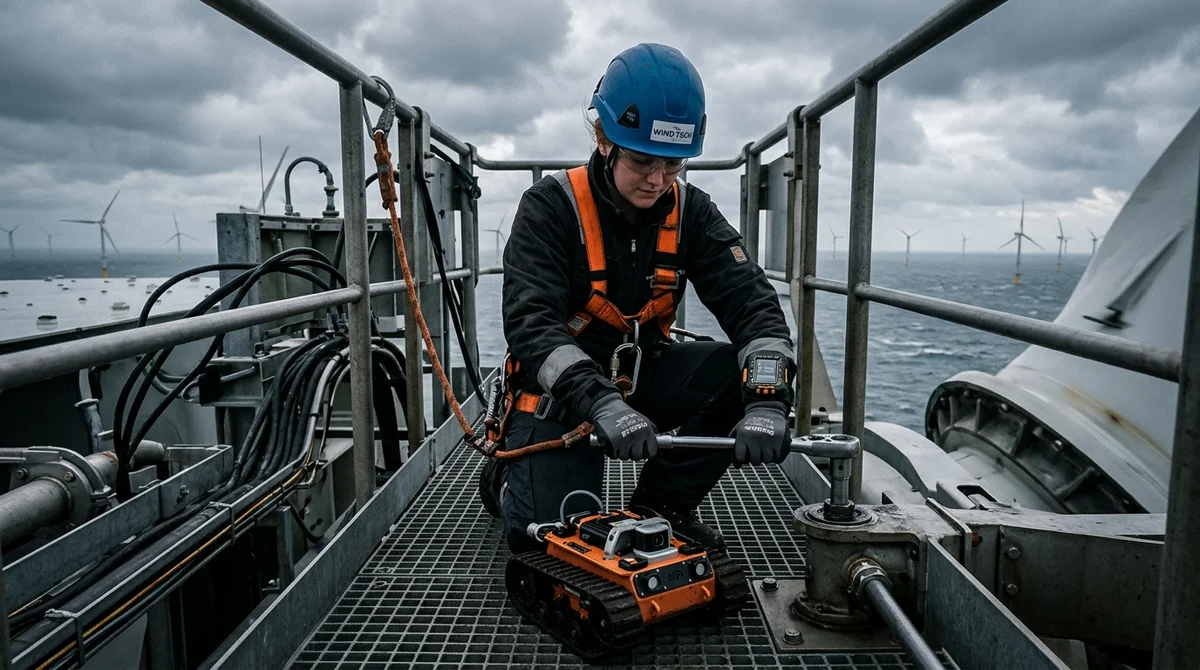
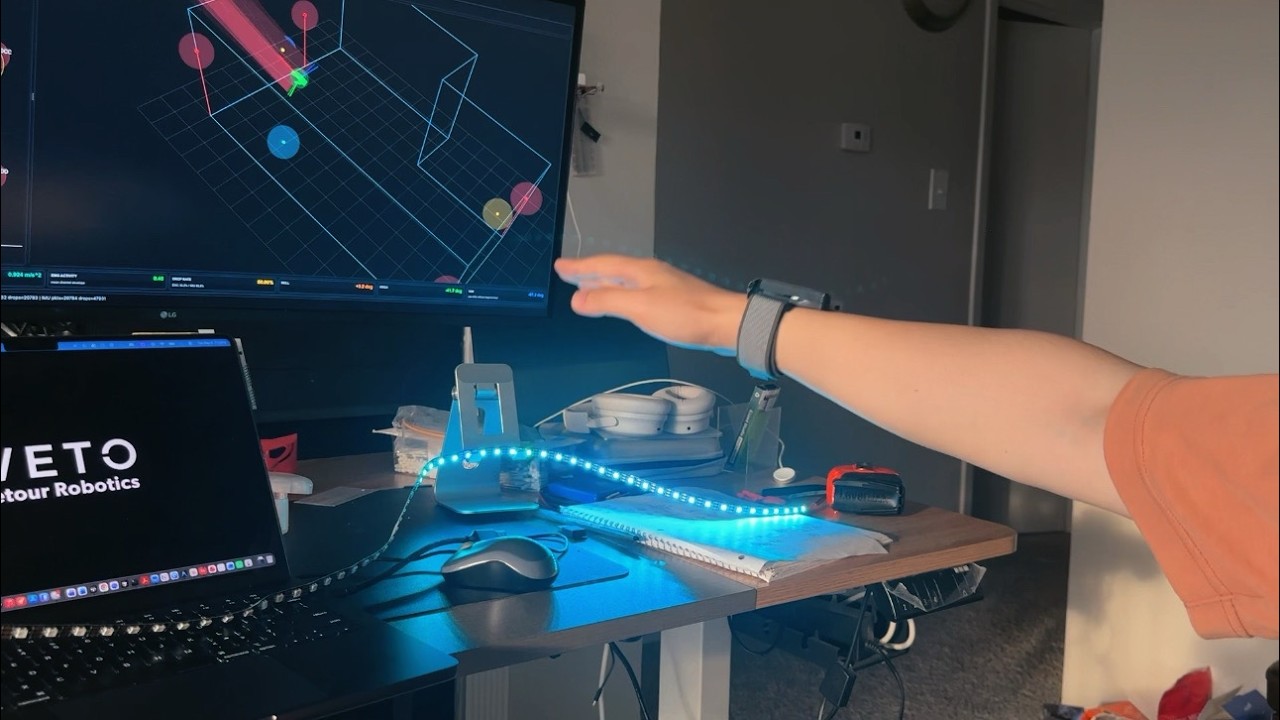
Physical AI has developed an asymmetry: AI robots jump, dance and handle fragile objects, yet they still have to be controlled through a screen, buttons or voice, methods that haven't changed in 40 years.
Why does AI robot control need to be reinvented?
Despite progress in Physical AI, robots have reached a high level of manipulator dexterity, but control remains tied to screens, buttons and voice commands, methods that haven't changed in 40 years. Wetour Robotics has reworked the interface between human and machine.
Test Frontier LLMs & Autonomous Agents in One Workspace
Run Claude Opus 5.5, GPT-6, Gemini 3.1, and DeepSeek side-by-side in Nomad AI (nomadnet.ai) — unified model routing, deep research, and multimodal workflows under one subscription.
The AI world, distilled — once a week
Seven stories that actually mattered, hand-picked. No noise, no reposts, no press releases.
Done! Check your inbox for a confirmation.