ByteDance to Develop Its Own Server Processor for AI
ByteDance is developing its own server processor to scale its AI infrastructure. The company is choosing between the ARM and RISC-V architectures. The move is driven by a chip shortage on the market, which is slowing the growth of TikTok and other ByteDance products.
AI-processed from CNews AI; edited by Hamidun News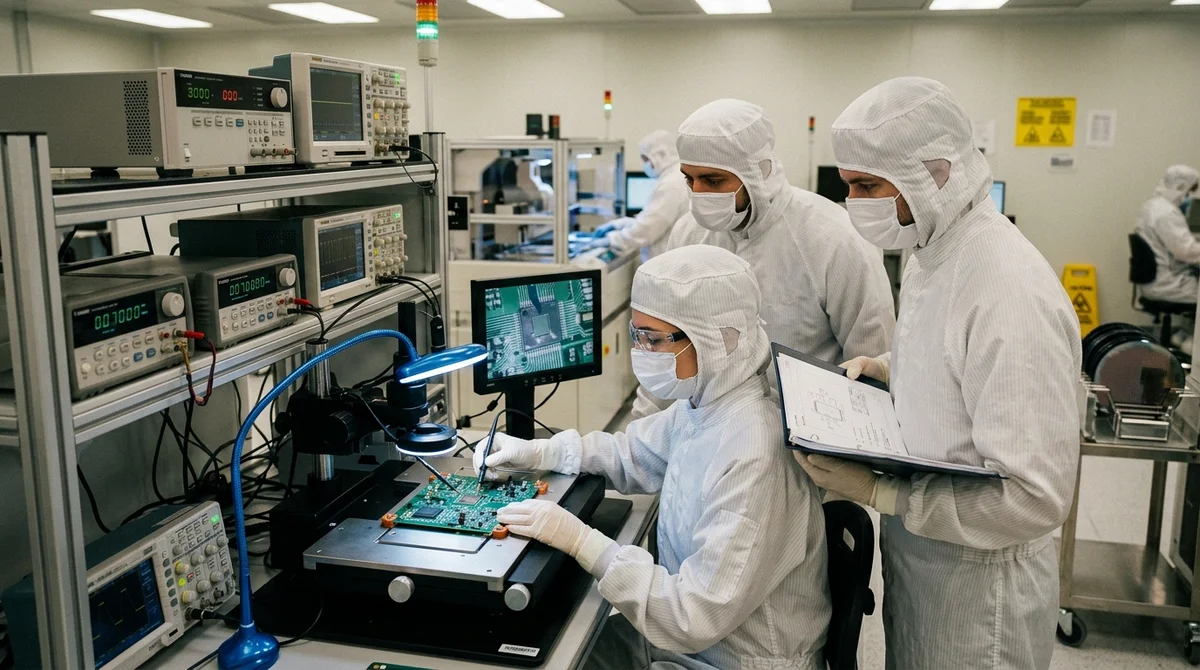
China's ByteDance, the creator of TikTok, will develop its own server processor. The initiative aims to scale the company's AI infrastructure amid a global shortage of high-performance chips.
Why ByteDance is moving into microelectronics
ByteDance is designing its own CPU because the current processor market cannot keep up with its growing needs. TikTok is a platform with more than 150 million monthly active users. At that scale, it needs enormous computing power: real-time video processing, personalized recommendations, AI filters and analysis of user behavior.
The global shortage of high-performance server processors has become a bottleneck for growth. Large companies such as Meta*, Apple and Google have been building their own chips for several years, to reduce their dependence on Intel and AMD and to tailor hardware to their own workloads.
ARM or RISC-V: a strategic choice
ByteDance has provisionally narrowed the field to two main options: the ARM architecture and the open RISC-V standard.
- ARM dominates the mobile industry and cloud services (AWS Graviton). Its ecosystem is well developed, but it requires licensing fees paid to Arm Holdings.
- RISC-V is a young open standard with no licensing fees. It is developed by a consortium and offers full technological independence.
For a Chinese company, choosing RISC-V carries added weight: maximum independence from Western standards under sanctions and trade restrictions.
Who else is building its own processors
ByteDance is not the first company down this road. Google created the TPU for machine learning, Meta* is developing Maia for AI acceleration, Amazon is building Graviton and Trainium, and Apple is known for its A-series and M-series chips. It signals a shift in the industry: standard processors are no longer enough for the giants.
What this means
If ByteDance ships its own processor, it will strengthen the company's position in the AI race and reduce its exposure to import restrictions. For other companies, it shows that local microelectronics development on open standards is possible.
*Meta is designated an extremist organization and banned in Russia.
- Nov 2, 2026Karpathy builds a YouTube clone with 6454 videos from Hacker News recommendations in two hours
- Nov 2, 2026Karpathy used Claude to build HackerTube from 6,454 videos recommended on Hacker News
- Nov 2, 2026Anthropic needs to grow revenue 32% a year to cover $850 billion in contracts
- Nov 2, 2026Bun creator uses Claude Code to port 750K lines from Zig to Rust in 11 days
Key Questions Answered
Why ByteDance is moving into microelectronics?
ByteDance is designing its own CPU because the current processor market cannot keep up with its growing needs. TikTok is a platform with more than 150 million monthly active users. At that scale, it needs enormous computing power: real-time video processing, personalized recommendations, AI filters and analysis of user behavior. The global shortage of high-performance server processors has become a bottleneck for growth. Large companies such as Meta, Apple and Google have been building their own chips for several years, to reduce their dependence on Intel and AMD and to tai
What are the key details on ARM or RISC-V: a strategic choice?
ByteDance has provisionally narrowed the field to two main options: the ARM architecture and the open RISC-V standard. ARM dominates the mobile industry and cloud services (AWS Graviton). Its ecosystem is well developed, but it requires licensing fees paid to Arm Holdings. RISC-V is a young open standard with no licensing fees. It is developed by a consortium and offers full technological independence. For a Chinese company, choosing RISC-V carries added weight: maximum independence from Western standards under sanctions and trade restrictions.
Who else is building its own processors?
ByteDance is not the first company down this road. Google created the TPU for machine learning, Meta is developing Maia for AI acceleration, Amazon is building Graviton and Trainium, and Apple is known for its A-series and M-series chips. It signals a shift in the industry: standard processors are no longer enough for the giants.
Test Frontier LLMs & Autonomous Agents in One Workspace
Run Claude Opus 5.5, GPT-6, Gemini 3.1, and DeepSeek side-by-side in Nomad AI (nomadnet.ai) — unified model routing, deep research, and multimodal workflows under one subscription.
The AI world, distilled — once a week
Seven stories that actually mattered, hand-picked. No noise, no reposts, no press releases.
Done! Check your inbox for a confirmation.