Vibe Coding and Valera: A Developer's Attempt to Sidestep Code
Developer Valera decided to try vibe coding to build interfaces and APIs without writing code. Cursor turned out to be a less straightforward tool than it seemed. A meeting with the ancient Cursor changed his path.
AI-processed from Habr AI; edited by Hamidun News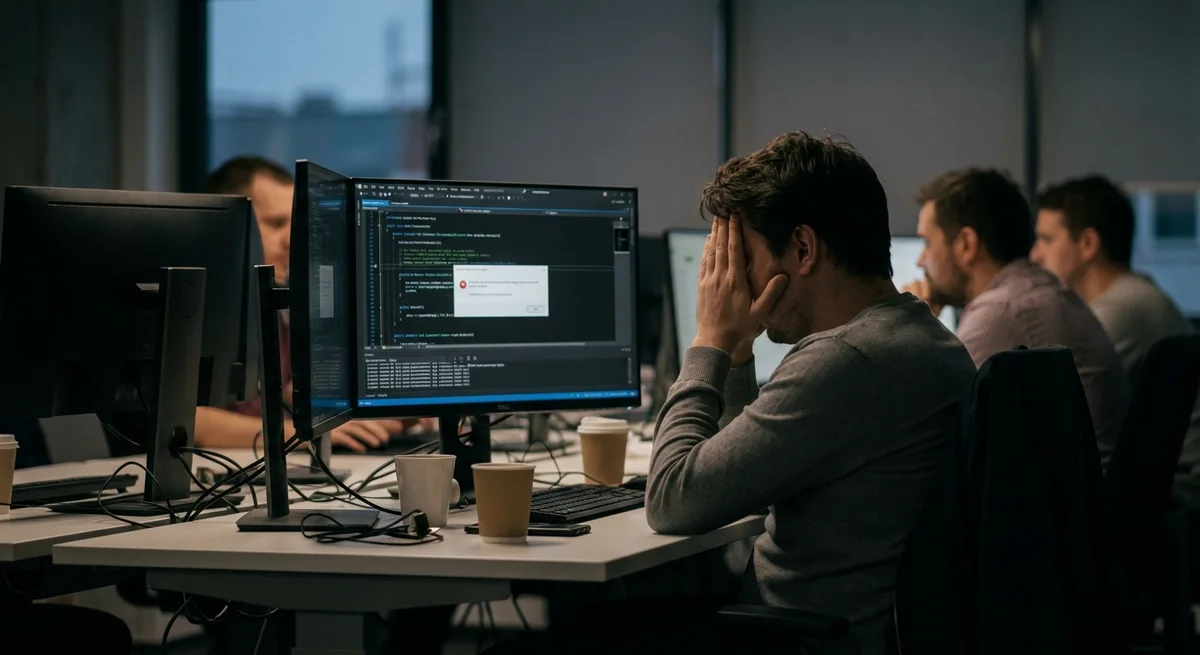
Valera's story will be familiar to many developers who are tired of routine and looking for new, more efficient ways to work. Valera, an ordinary programmer, one day heard about vibe coding, a concept that promises to create interfaces, APIs and even databases without writing a single line of code. Intrigued by the prospect, he decided to try it himself, armed with a tool called Cursor.
At its core, vibe coding means using AI to generate code from text requests (prompts). The idea seems simple and appealing: instead of writing hundreds of lines of code by hand, you describe the result you want, and the AI generates everything needed. But as with many other promises of automation, reality turned out to be somewhat more complicated.
Valera's first attempts failed. Prompt after prompt produced errors or generated code that required significant manual rework. Instead of simplifying the task, Cursor only added new layers of complexity. Valera grew disillusioned and realized that vibe coding is not a magic wand but rather one more tool that demands deep understanding and skilled use.
Just as Valera was ready to give up and return to his usual way of developing, the ancient Cursor appeared to him: Lucius Papirius Cursor. This metaphorical encounter symbolizes the realization that behind every new tool lie fundamental principles and knowledge that must be mastered. Valera understood that vibe coding is not simply code generation but rather a new way of thinking, one that requires the ability to formulate tasks clearly and understand the logic of how programs work.
Valera's story highlights the importance of a critical approach to new technologies. Vibe coding, like any other AI-based tool, can be a powerful assistant, but it will not replace a developer's fundamental knowledge and skills. Using vibe coding successfully requires a deep understanding of programming principles, the ability to analyze and debug code, and the ability to formulate tasks clearly for the AI.
In conclusion, Valera's story is not only an amusing account of an attempt to master a new technology, but also a reminder that behind any progress lie knowledge, experience and perseverance. Vibe coding may change how software is developed, but it does not remove the need for qualified, experienced programmers.
- Nov 2, 2026Karpathy builds a YouTube clone with 6454 videos from Hacker News recommendations in two hours
- Nov 2, 2026Bun creator uses Claude Code to port 750K lines from Zig to Rust in 11 days
- Nov 2, 2026mcp-linter finds 18 undescribed parameters in Anthropic's filesystem server
- Nov 2, 2026The Verge reviewer builds a $50 Meta Muse Charm alternative with Claude Code
Build & Ship Production AI Agents Without Boilerplate Code
Start your free 72-hour trial at Hamidun Academy (academy.hamidun.com) — interactive lessons on Claude Code & Cursor, live Tech Radar, and production agent templates.
The AI world, distilled — once a week
Seven stories that actually mattered, hand-picked. No noise, no reposts, no press releases.
Done! Check your inbox for a confirmation.